Health
DISABILITY IN THAILAND
In Thailand, the rights of disabled people have been recognized and discussed in the last 25 years, but their real needs are still unsolved and indefinite. The Ministry of Public Health, Education and Labor are responsible for disability services, however, the lack of cooperation and coordination among the offices, made it impossible to satisfy the needs of disabled people; and as a result, there is a limited or even absent improvement in their life standards. Another big obstacle in the Thai society is the belief that a disabled person is a dishonor for the family, a “curse” that won’t bring prosperity but that indicates a negative “fate”, a negative “Kharma”. The government institutes are crowded with children and adults who do not receive adequate care due to the lack of investments and qualified personnel. Disabled people are therefore hidden or marginalized, under the belief that they will never be capable of self-care or helpful to others.
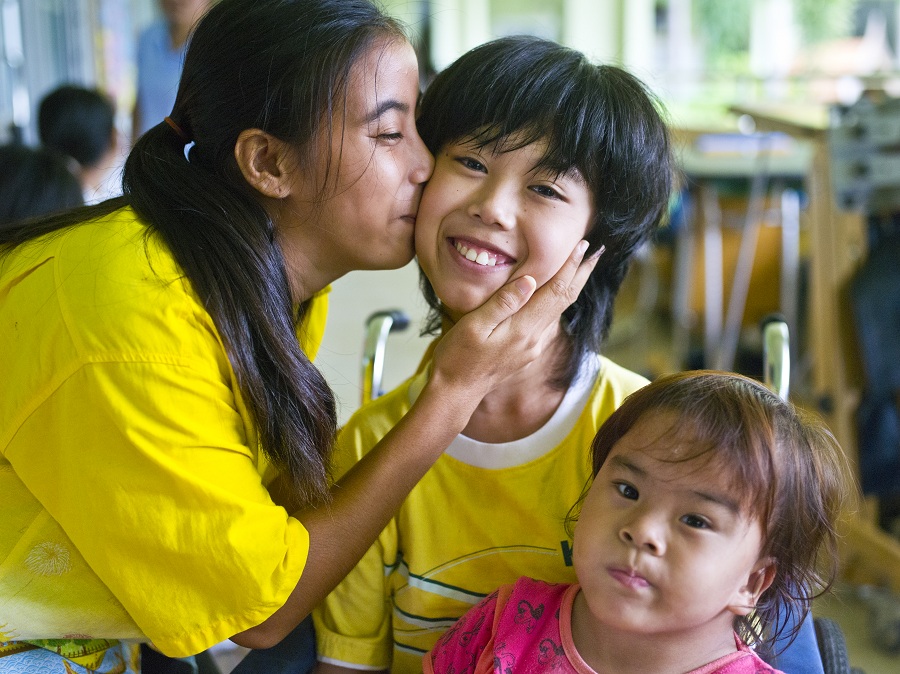


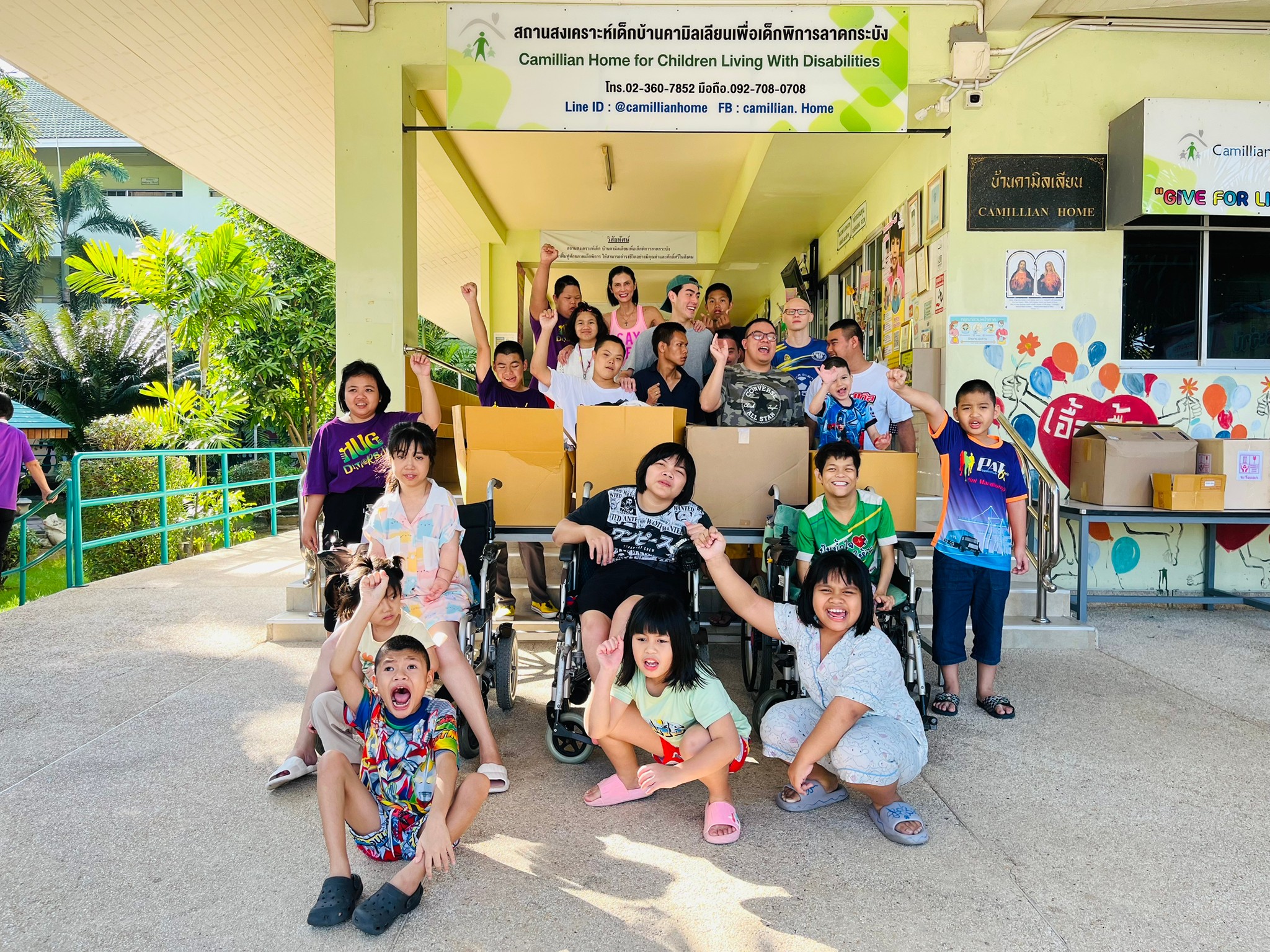
The Camillian Home project was established based on the recognition that a well-structured integration program can help children and adults with disabilities improve their quality of life, as well as their physical, cognitive, emotional, and social abilities. The center is located in the outskirts of Bangkok and is one of the few in Thailand specifically dedicated to welcoming orphaned children with disabilities and providing day care programs for children who live in extremely poor conditions without any form of assistance. Every day, a shuttle service is available to take children from rural areas to the center.
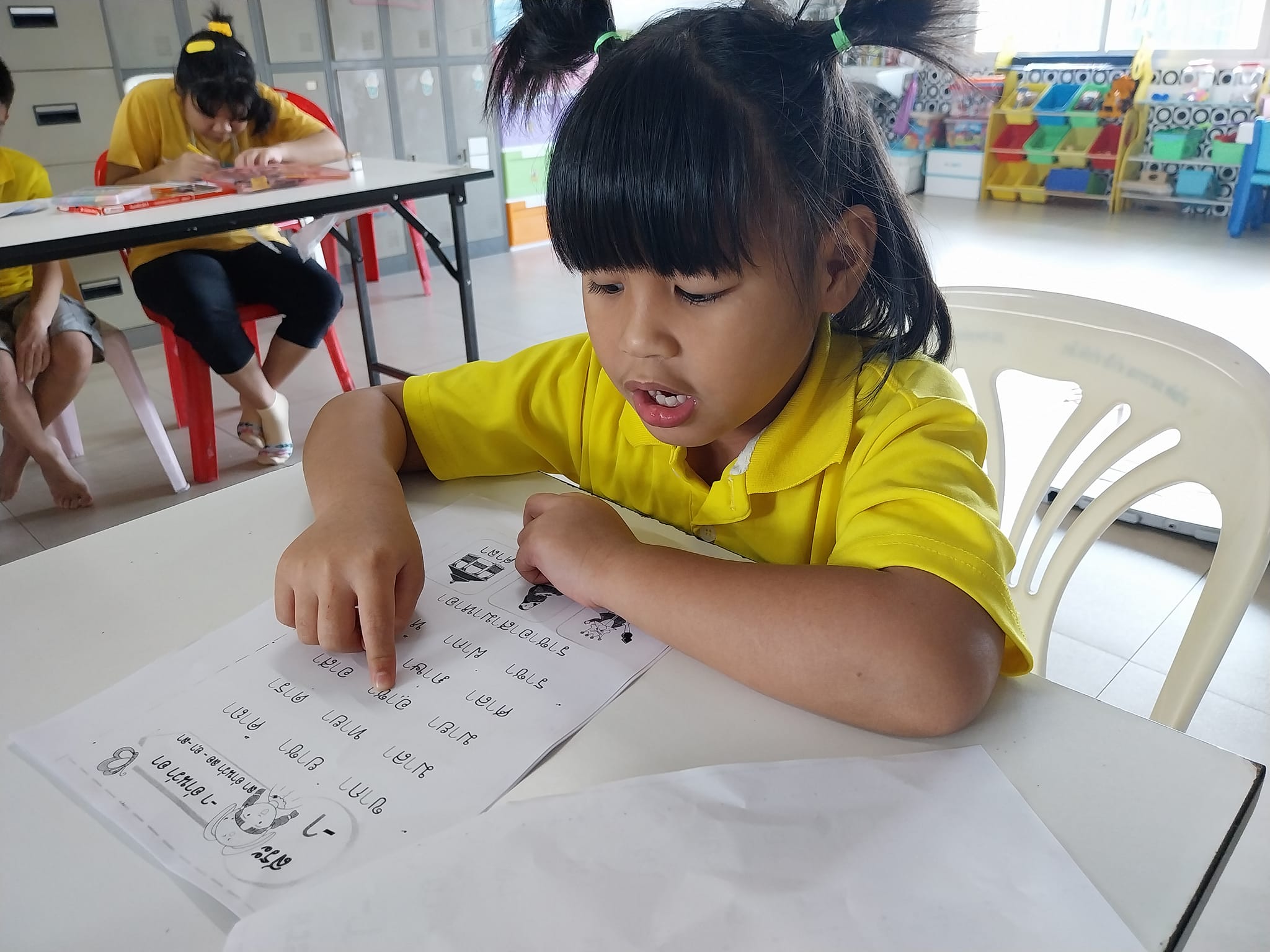
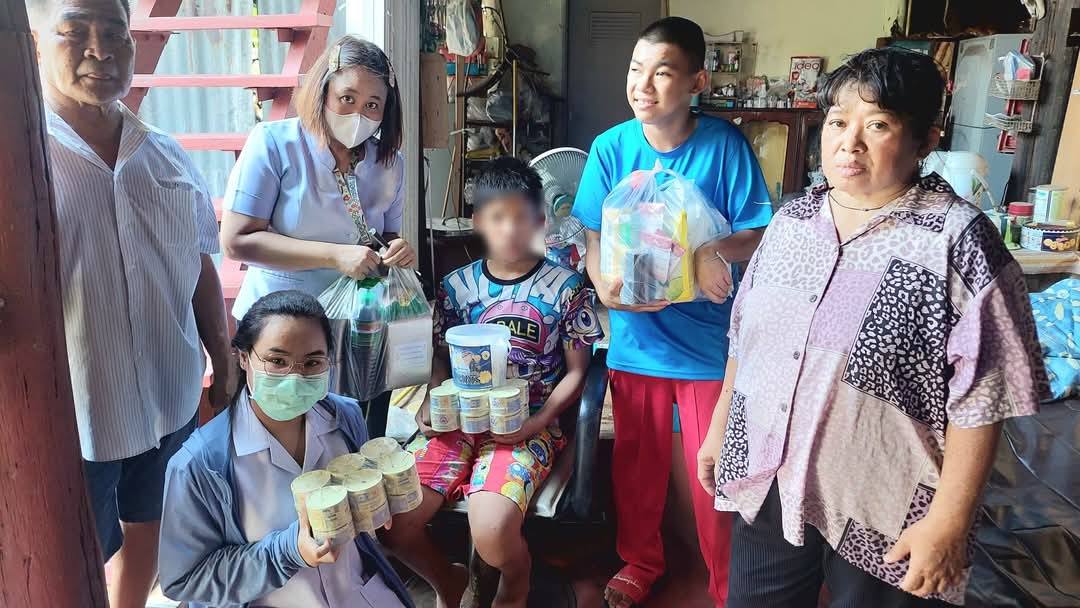
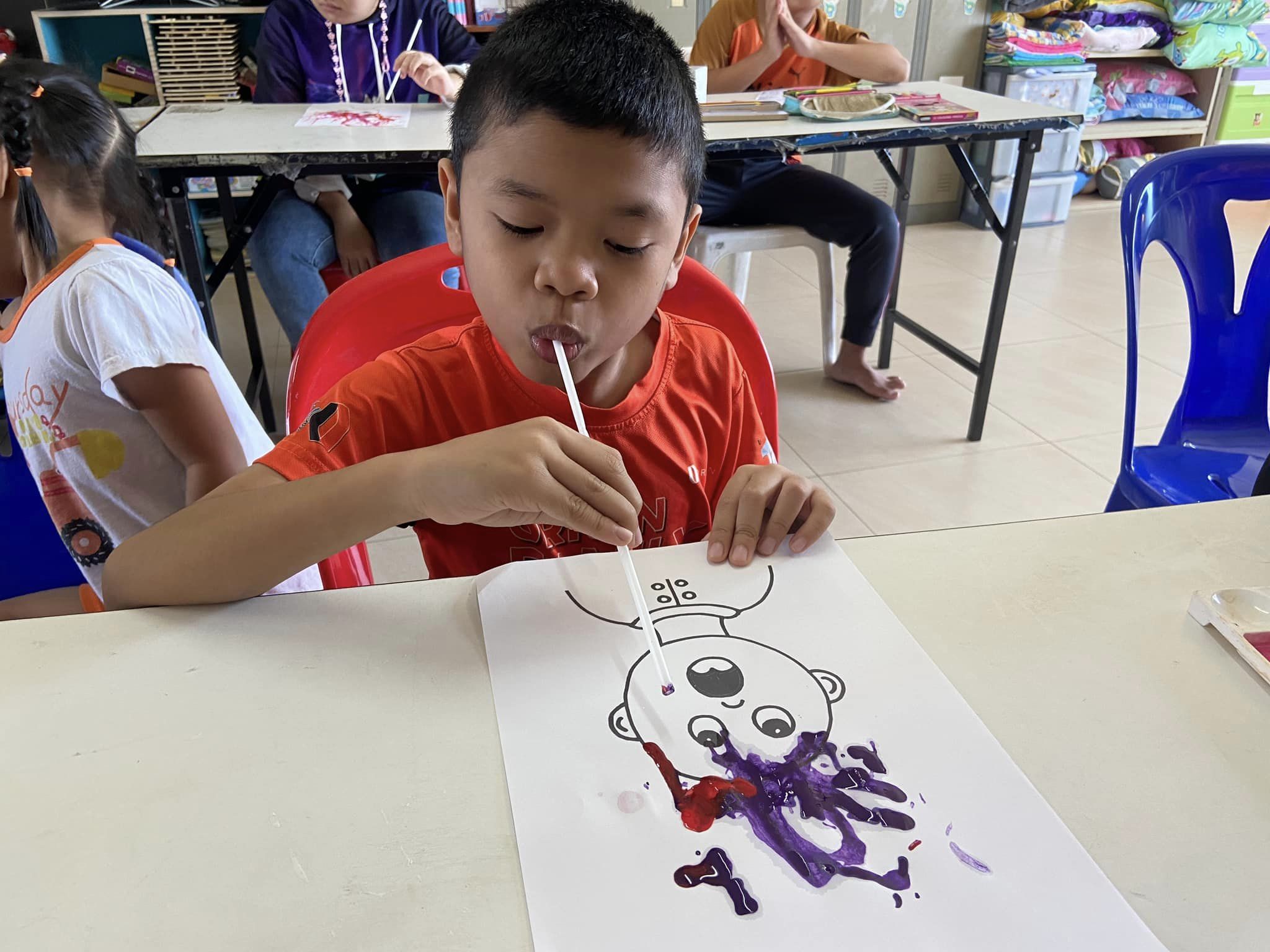
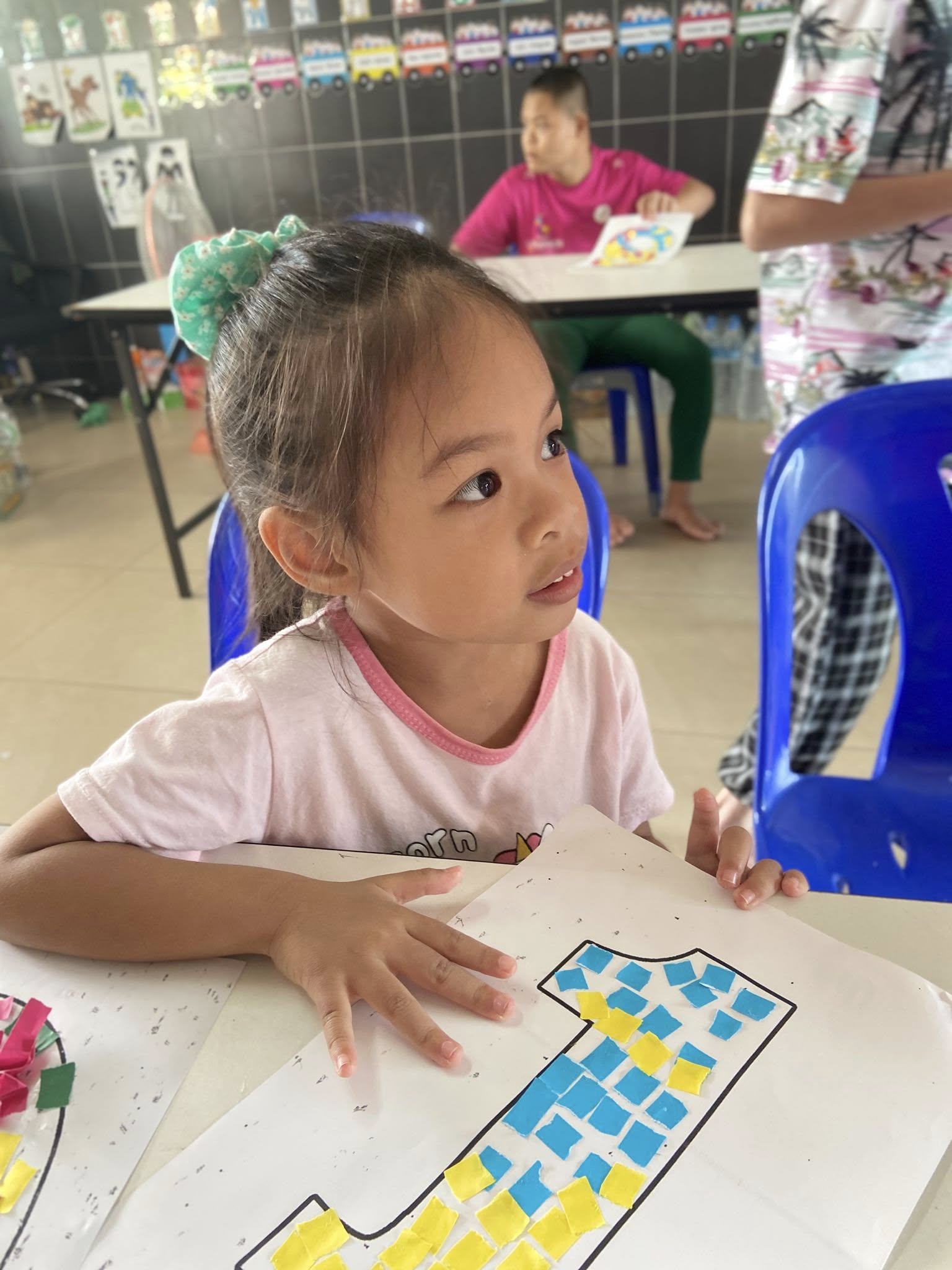
Camillian Home currently supports 153 children with disabilities, including 28 residential children, 34 enrolled in the day care service, 40 receiving home-based assistance, and 51 monitored on a weekly or monthly basis. According to their individual needs, children have access to physiotherapy, speech therapy, and school support sessions. They also participate in recreational and manual activities (such as art therapy) that promote their physical and psychological development. Their health is continuously monitored by qualified nurses, who also educate them on proper personal hygiene practices. Main meals are provided by the center to all beneficiaries.
NEW PROJECTS
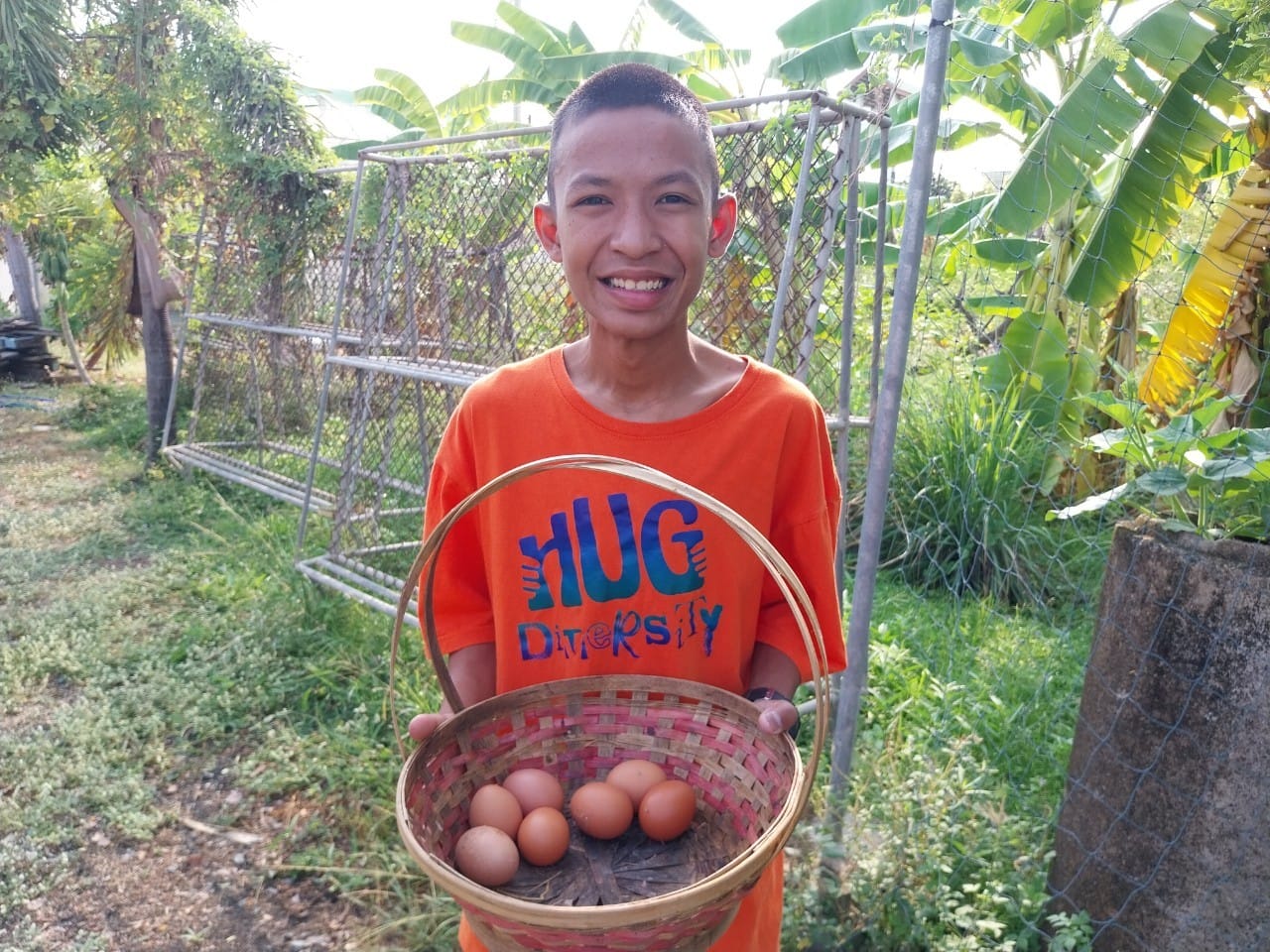
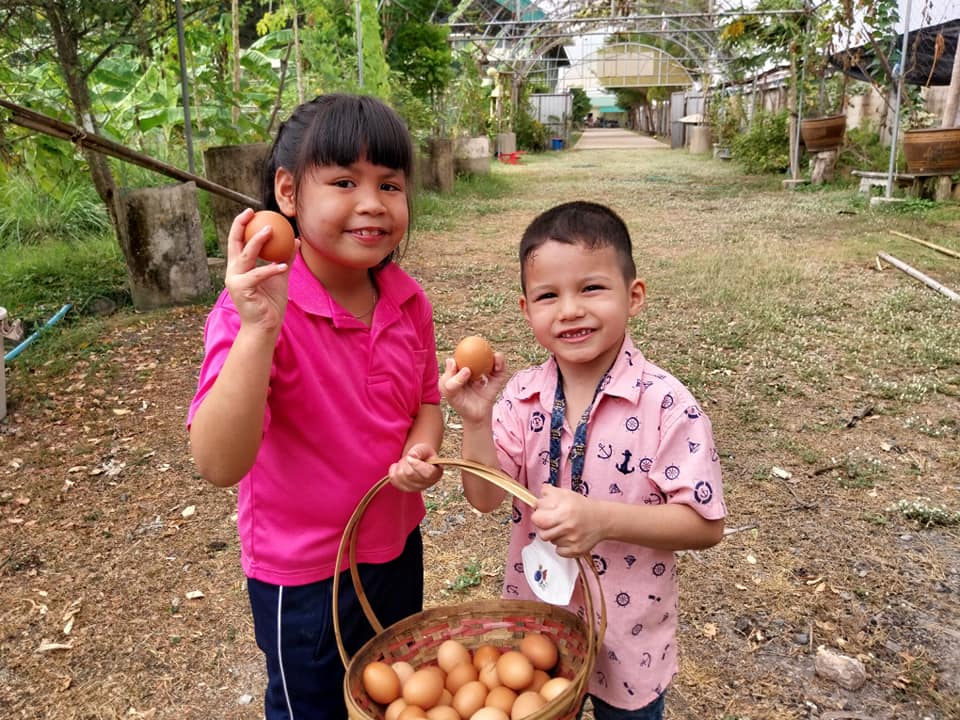
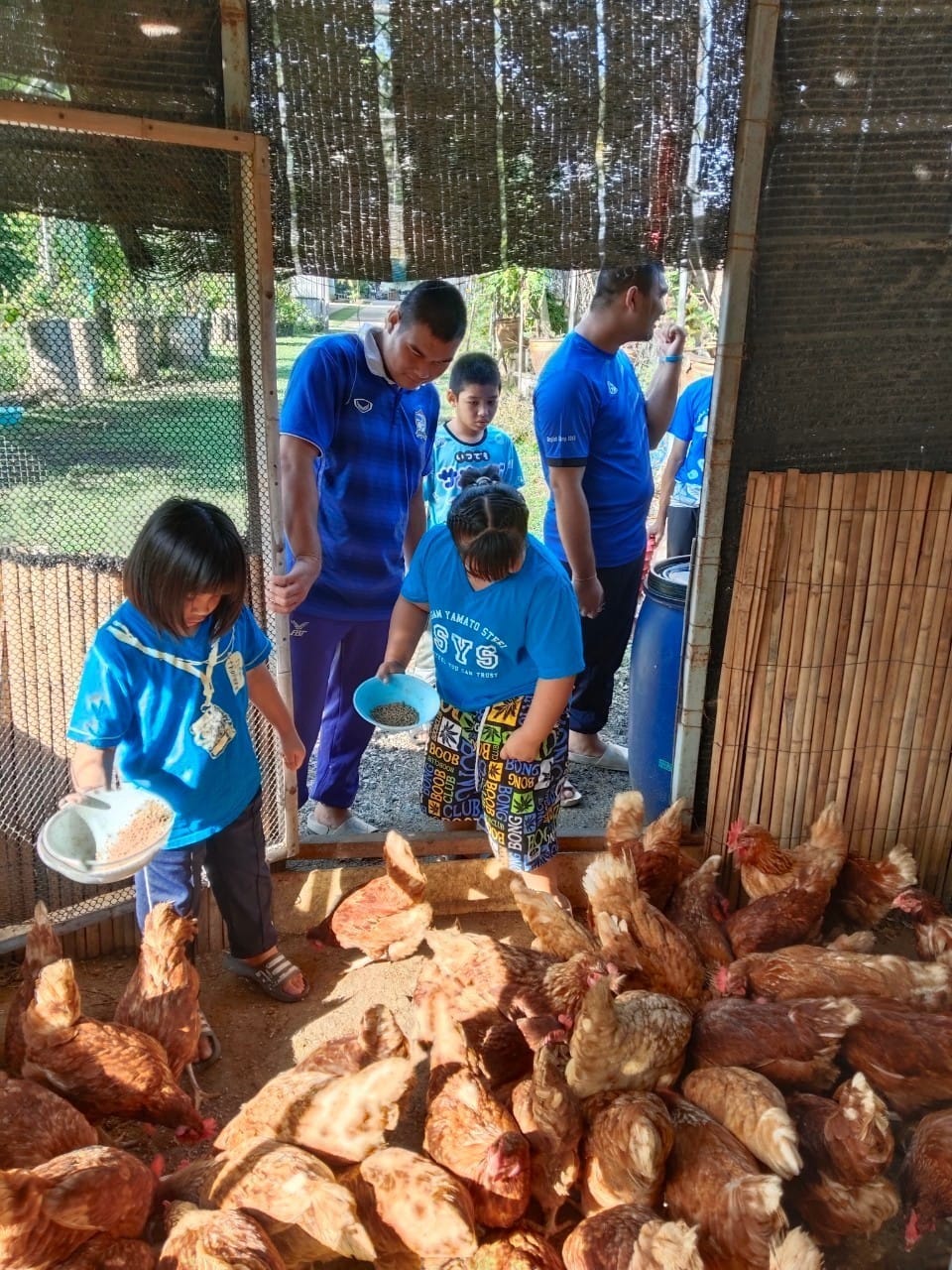
HAPPY FARM is an inclusive farm located 25 km from the Camillian Home, where a group of 8 children with disabilities visits about three times a month to take care of poultry and monitor crop cultivation. Although the farm’s production is still limited, it partially meets the center’s nutritional needs by providing healthy, 100% organic food. By the end of 2025, the project is expected to expand with the construction of small houses to accommodate two educators and a group of 6–8 center residents. Through agricultural education activities, they will be able to acquire new skills and build self-confidence, while developing a sense of responsibility and belonging that encourages active participation in social life. Meanwhile, a training center will promote a healthy lifestyle by providing users and their parents with the tools needed to achieve self-sufficiency in agricultural production and proper nutrition.
SOWING TO GROW
A smaller, yet equally important project in terms of education and rehabilitation, is taking shape on a previously unused plot of land within the Camillian Home compound. The main goal is to create new school gardens equipped with a greenhouse and an irrigation system that allow crops to grow year-round. Through an informal learning approach, children and young people with disabilities involved in the project will acquire agricultural knowledge and skills. By either consuming the produce directly or selling it, they will also learn how to manage and distribute the proceeds, which will be used to support the center’s activities. This will establish a virtuous cycle that benefits everyone involved. The garden will focus on growing sweet basil, lemongrass, coriander, Thai parsley, chili, ginger, celery, tomatoes, peas, eggplants, and Chinese cabbage.