Success stories
On February 24, 2022, the Russian army invaded Ukraine. The situation immediately appeared extremely serious: thousands of women and children from Kharkiv, Kyiv, Donetsk, Luhansk and the surrounding regions were forced to leave their homes to escape the bombing, travelling hundreds of kilometres, partly by train and partly on foot.
Since the very beginning of the conflict, Fondazione Pro.Sa has been working to support the reception and assistance of internally displaced people, initially in collaboration with Caritas Ternopil, a city severely affected by the war and evacuated in 2023, and subsequently with Caritas Khmelnytskyi, the capital of the oblast.
Over the years, more than 13,000 people have been reached with food packages, hygiene and healthcare kits, medical care and essential goods. Most of them were families made up of mothers and children, many of whom had been deeply traumatised by the horrors of war. An important part of Pro.Sa’s contribution has therefore been dedicated to psycho-emotional support activities, particularly for children and young people.


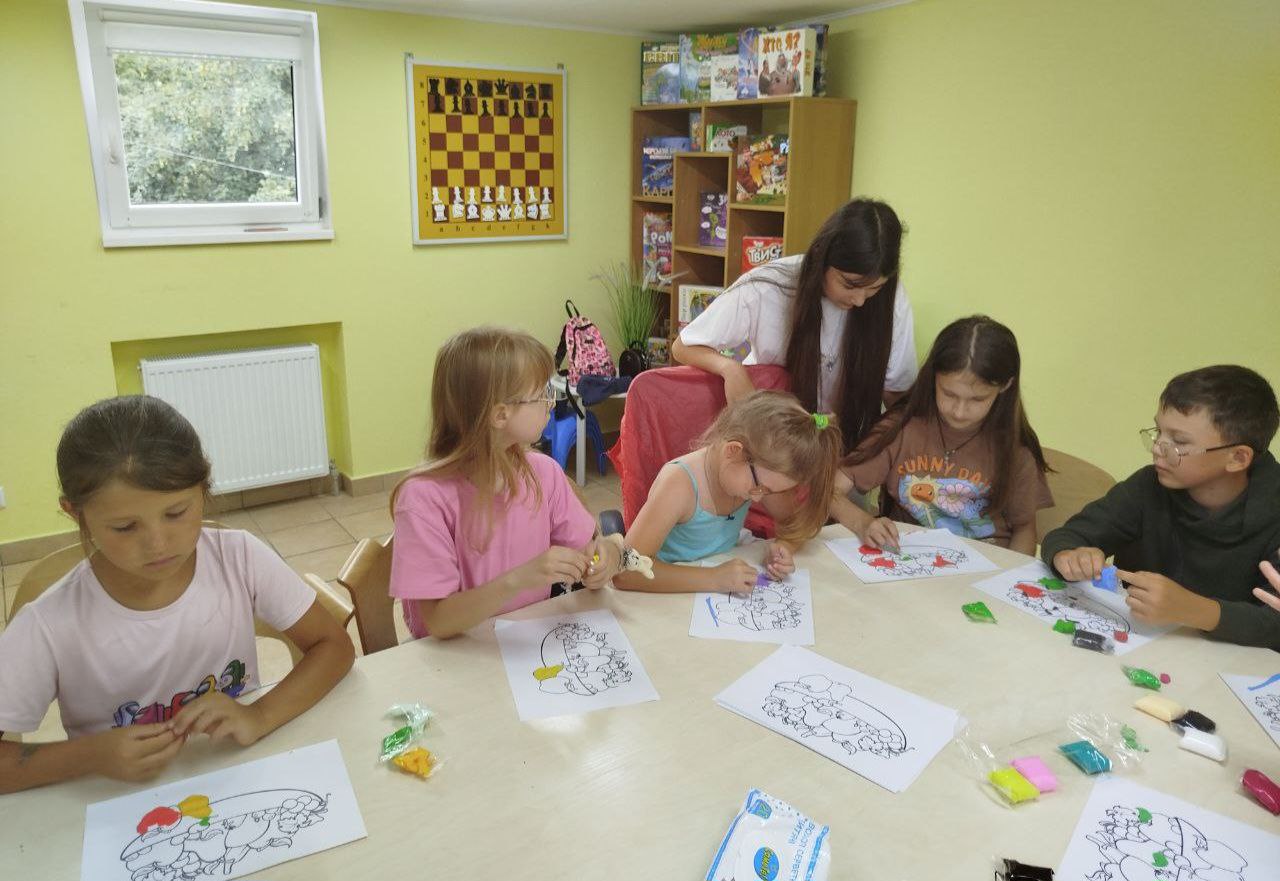
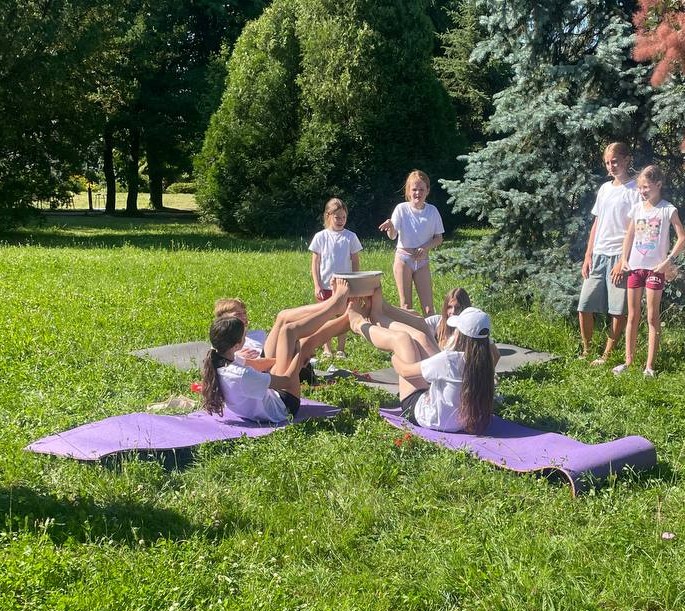
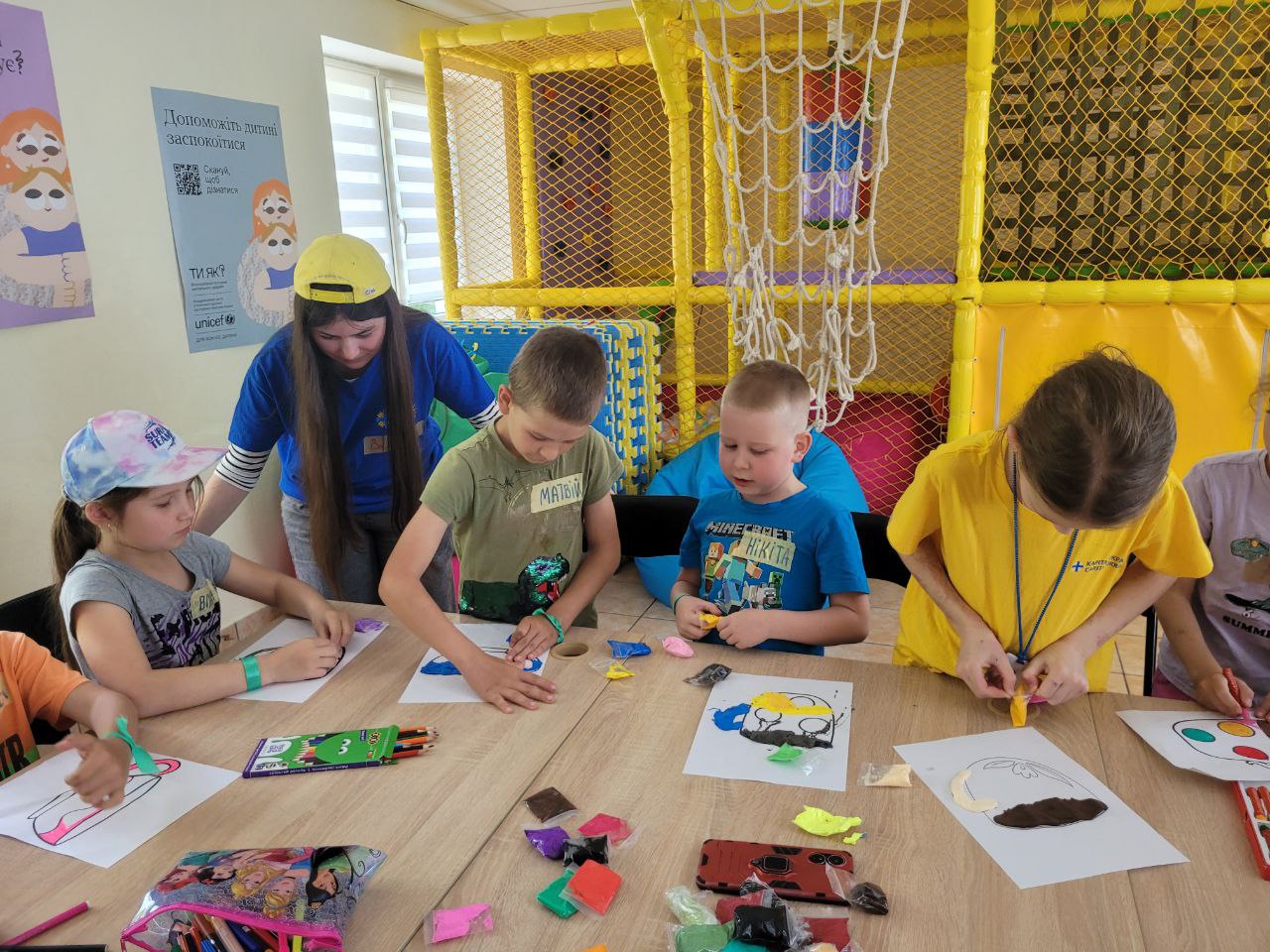
In 2025, the third year of the war, Fondazione Pro.Sa provided funding for a three-week educational summer camp for 80 children and young people aged between 7 and 16, coming from areas severely affected by the war. Below are the stories of two children who took part in the activities.
SUCCESS STORIES
M. is 10 years old and was displaced from the Kharkiv region. At first, she was very reserved, never leaving her older sister’s side and afraid to take part in group games. Through art therapy, she gradually began to draw pictures depicting her experiences, while the psychologist helped her to “give a voice” to her fears. During the third week of the camp, at the final event, M. took to the stage and sang a song. It was a major achievement for her and a proud moment for the entire group.
A., aged 12, was very active from the beginning, but often reacted aggressively when conflicts arose with other children. Taking part in group missions and non-violent communication sessions helped him find new ways to express his emotions. Over time, he developed strong leadership skills and eventually began helping younger children resolve their disputes. His mother said: “It’s as if I have a different son: calmer and more mature.”