Archives: Progetti

Tezza Special School

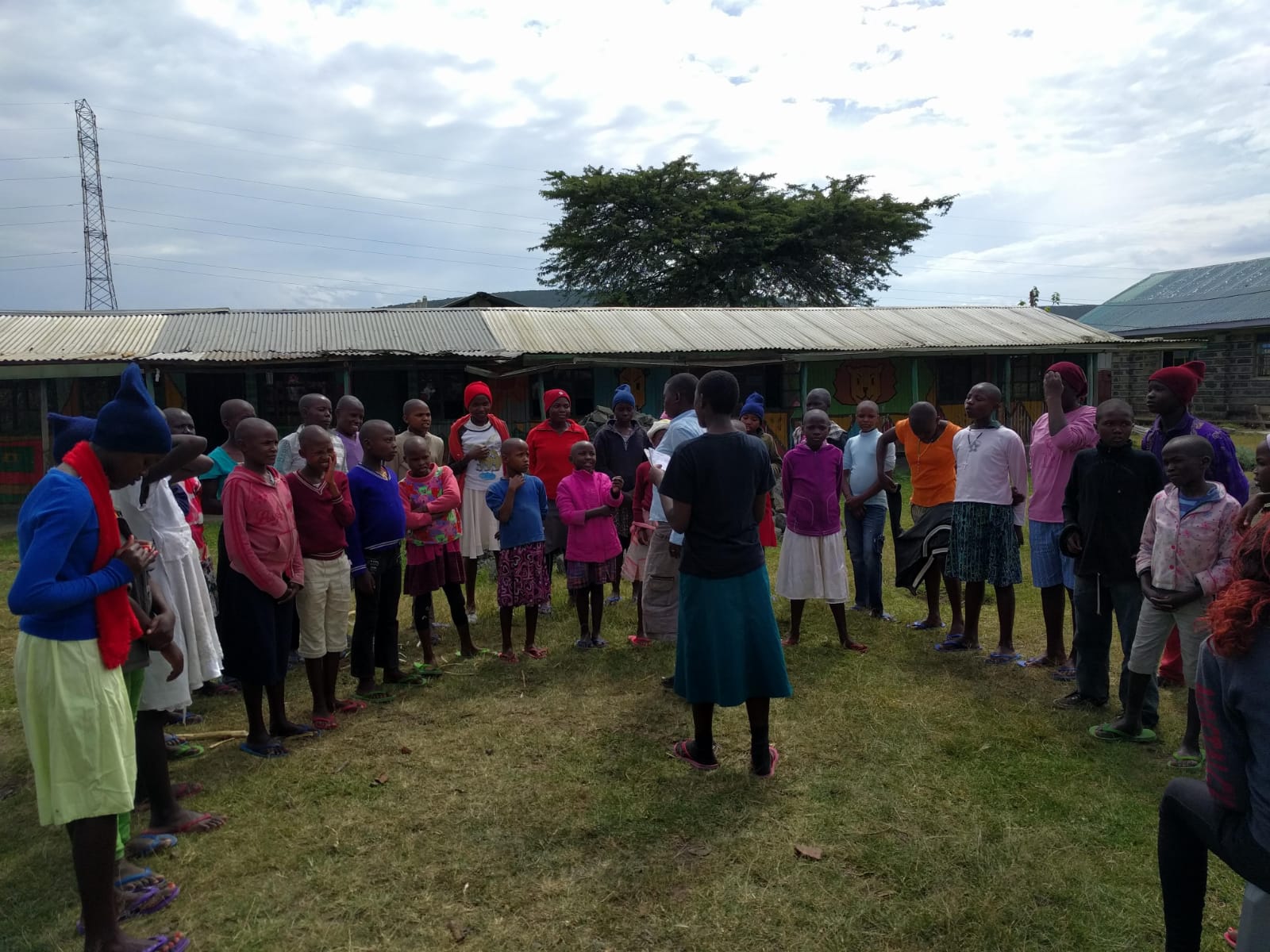
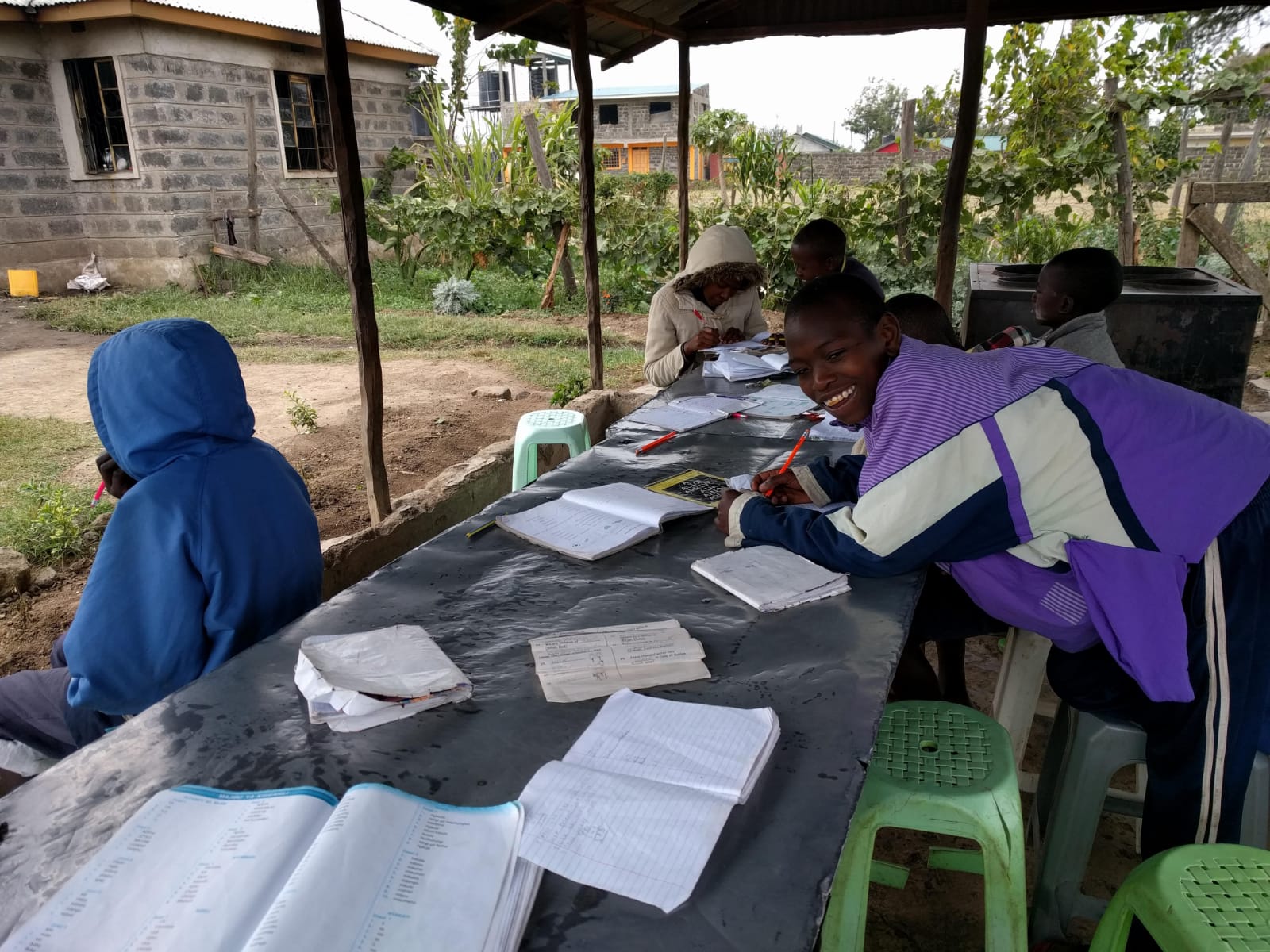
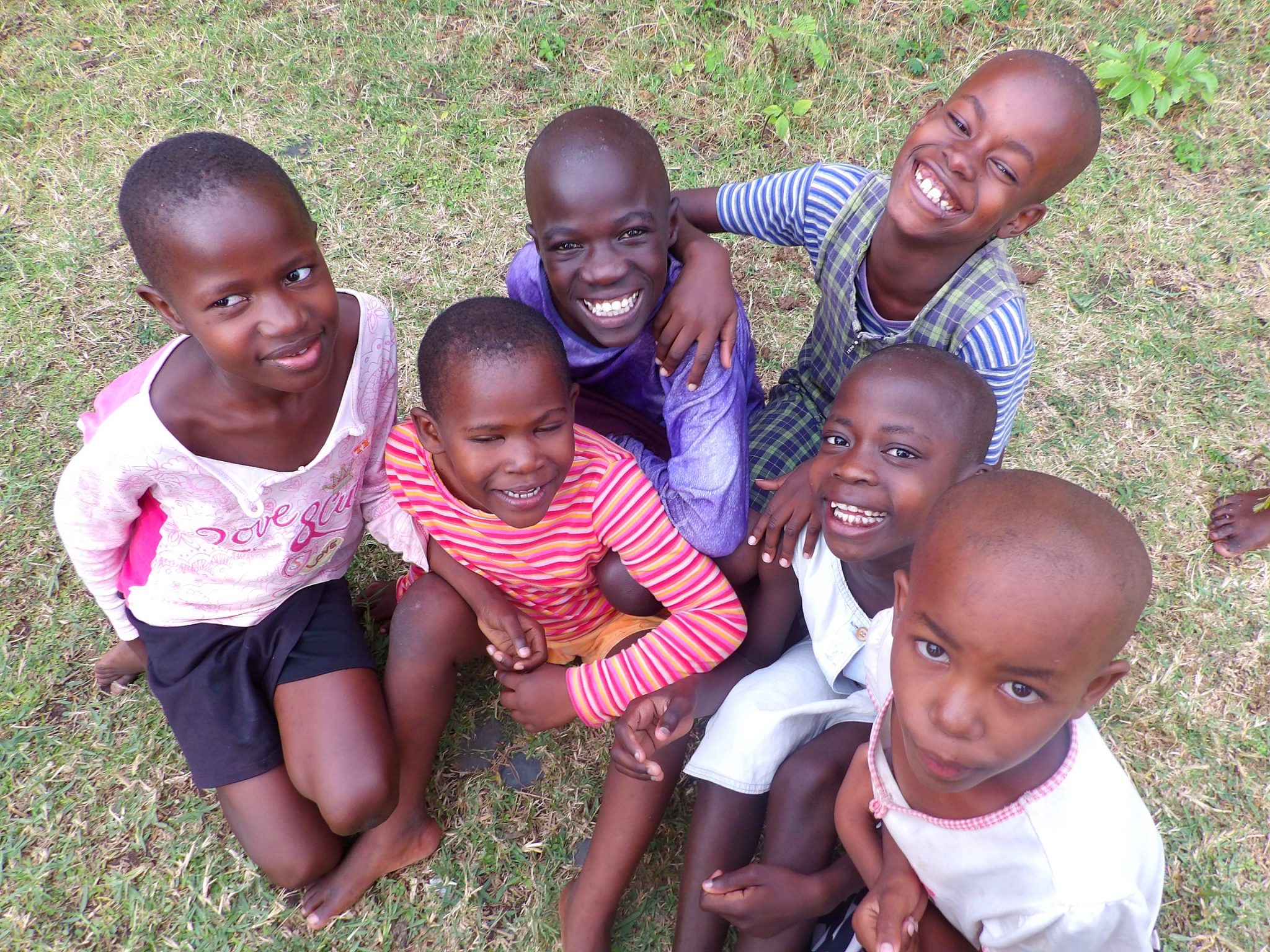
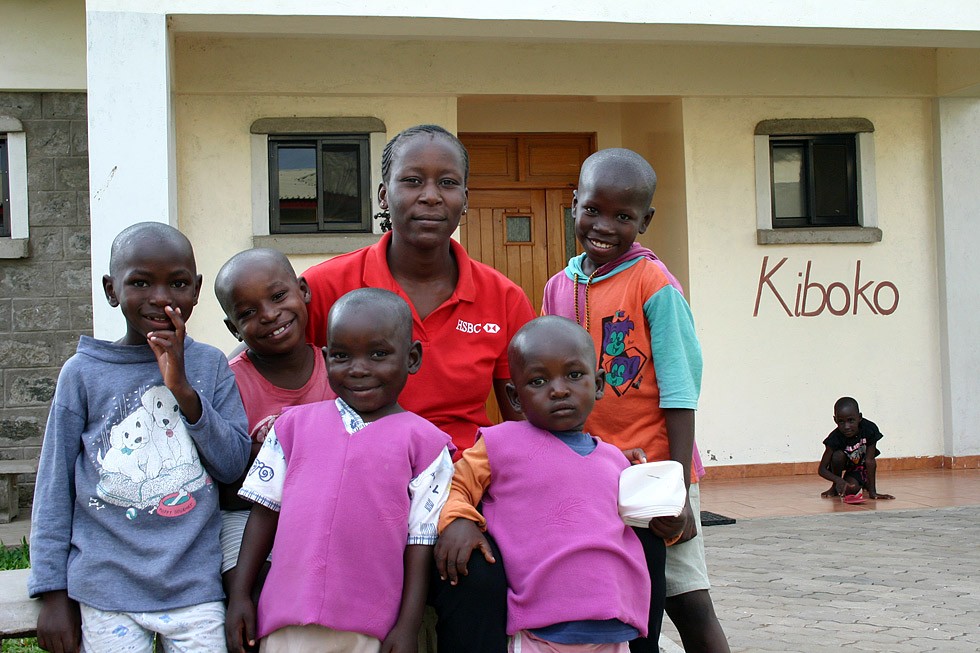
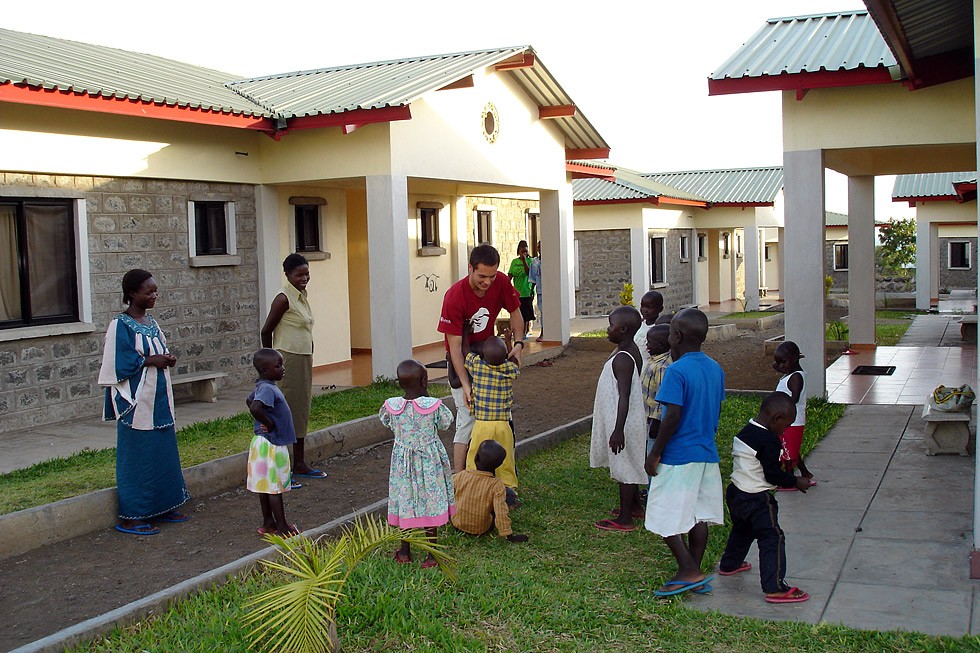
In 2017, the Tezza School of Karungu opened its doors to hearing-impaired children, using two of its classrooms to create a special school for deaf children. The school was started after the identification of 6 deaf children who used to wander in the villages without going to school because of negligence and discrimination, while other children were forced to work with lake fishermen risking their own lives.

Word of mouth in the villages made the school personnel aware of the presence of other deaf children who were completely isolated and marginalized. Within a short time, the children became 48, eighteen from the nursery school and thirty from primary school.

Teaching was very difficult because all the students were crammed in two small classrooms, in addition it was necessary to rent two sheet metal shacks as lodging for those children who live far from the school.

In 2018 the school was recognized by the Ministry of Education as “Tezza Special School”.

A few months later the number of children had already increased to 60 and a more decent place was needed for both the lessons and the lodging. Thanks to the National Fund for the Disabled of Kenya it was possible to purchase a land not far from Dala Kiye and to start the building of a Boarding School with classes, lunchroom and dormitories.

PRO.SA foundation supported the construction of bathrooms and the purchase of 31 wood desks, realized at the mission of the Passionist Fathers in Karungu. A perfect example of virtuous cycle which promotes sustainability and sharing. Moreover, two green houses have been recently implemented in order to start a school grocery activity.

The school currently accommodates 62 children and 6 teachers. Miss Millicent, the headmistress, has a long experience in the field of education because she worked for many years at St. Camillus Dala Kiye.


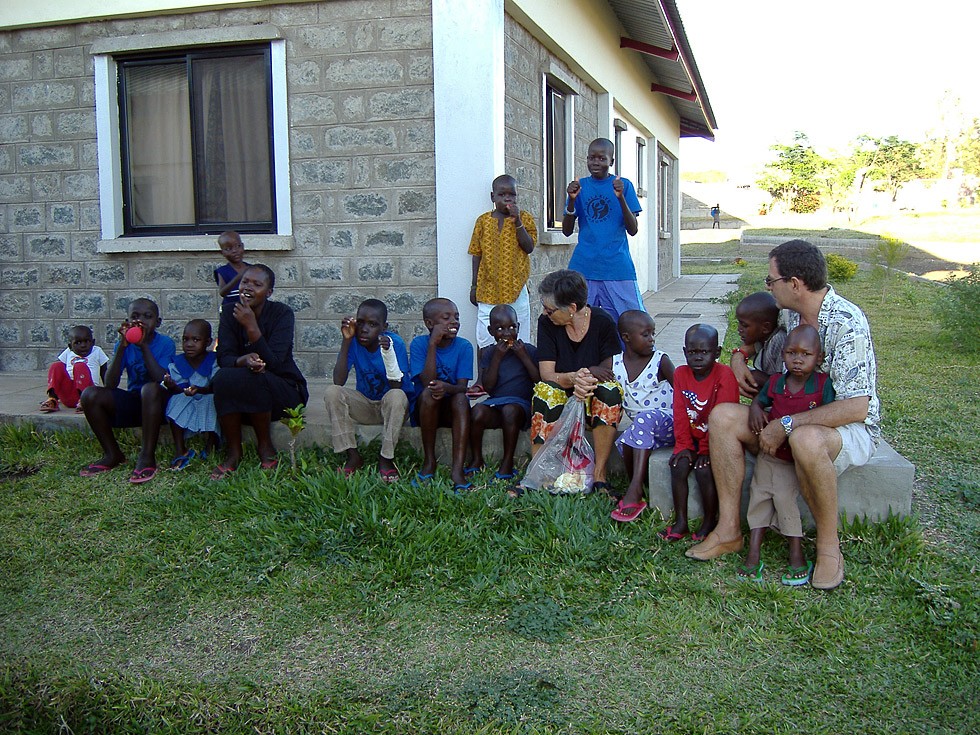
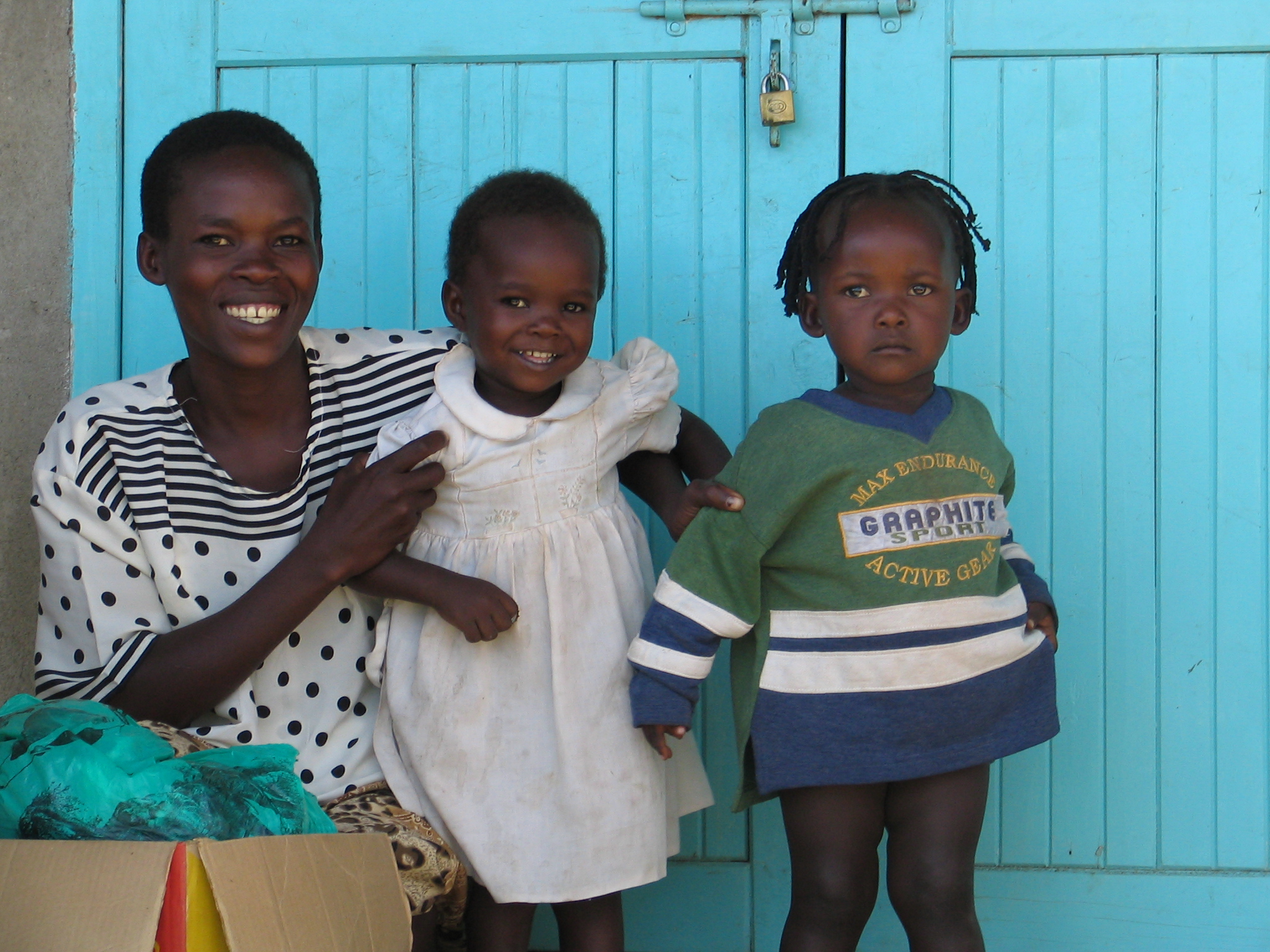
The majority of the children enrolled in Tezza Special School are orphans or live with very poor relatives or parents and the families cannot meet the health needs of every single child. Therefore, the project includes nutritional programs for all the children and regular health screening at St. Camillus Mission Hospital in Karungu.

Nakuru Boys Ranch

In Nakuru, the fourth biggest city in Kenya, the phenomenon of street children is extremely spread, as well as in the rest of the country. It often happens that children abandon their households because of hunger or violence and abuses. In the street children get in touch with criminal organizations which exploit them and control every single moment of their life. Moreover, most of them end up getting into drug business, sniffing glue to inhibit hunger and thirst.

Welcome to the Family project aims at giving a second chance to the children and the adolescents that it accommodates. Namely, the program for street children is developed into two phases which take place in two different structures: the Drop-in Centre, a day care centre located in the heart of the city, which is also the point of first contact with the street children, and the Boys Ranch, a residential centre out of town.

During the first phase, the educators try to establish a relationship of trust with the children who spontaneously come to the Drop-in Centre and to understand the reasons why they are living in the street. In the center they can eat a hot meal and have a shower. If during the days at the Drop-in centre the children show they really want to change their life, they are transferred to the Boys Ranch, a residential centre where they remain for 8-12 months following a recovery program in order to be reintegrated in their families of origin and in the society. The children are supervised by two educators (a man and a woman) who create an environment as familiar as possible and build up sincere and educational relationships. The daily activities are based on four main points: school, play, prayer and work. In the morning the children attend the Nairobi Road Primary School and, in the afternoon, they do various activities. In the centre there is a team of counselling experts, volunteers and a social assistant who support the path of each child in all its aspects. Each case is dealt with individually in order to provide an educational intervention attentive to the needs of every single child.

Another main point of the rehabilitation path is learning a profession. Knowing a profession is essential to survive and to become independent from the family of origin which won’t be able to maintain its children forcing them to go back to the street.

St. Camillus Dala Kiye

The St. Camillus Dala Kiye is located in the province of Nyanza, in western Kenya, on Lake Victoria. This area has the highest HIV rate in Kenya; community life has been shattered by the deep poverty conditions originated from the devastating impact of AIDS. Orphan children have been the most negatively affected and have been deprived of all physical, social, economic and psychological needs, which are fundamental for their growth and development. The community social supporting network is getting weaker and weaker while the number of children left on their own is increasing. Behind a facade of discipline, orphan and HIV+ children are abused, abandoned and exposed to unnecessary suffering. They are vulnerable and lack family care and protection.

The Dala Kiye project has a vision for orphan children to be completely integrated in the normal community life, which could give them the chance to acknowledge and understand their own potential and enable them to create a better future for themselves.

The program is aimed at mobilising the entire community in order to enable orphans and those who run the risk of HIV/AIDS infection to improve their living conditions, to increase the possibility of surviving AIDS and to become active members of their own communities.

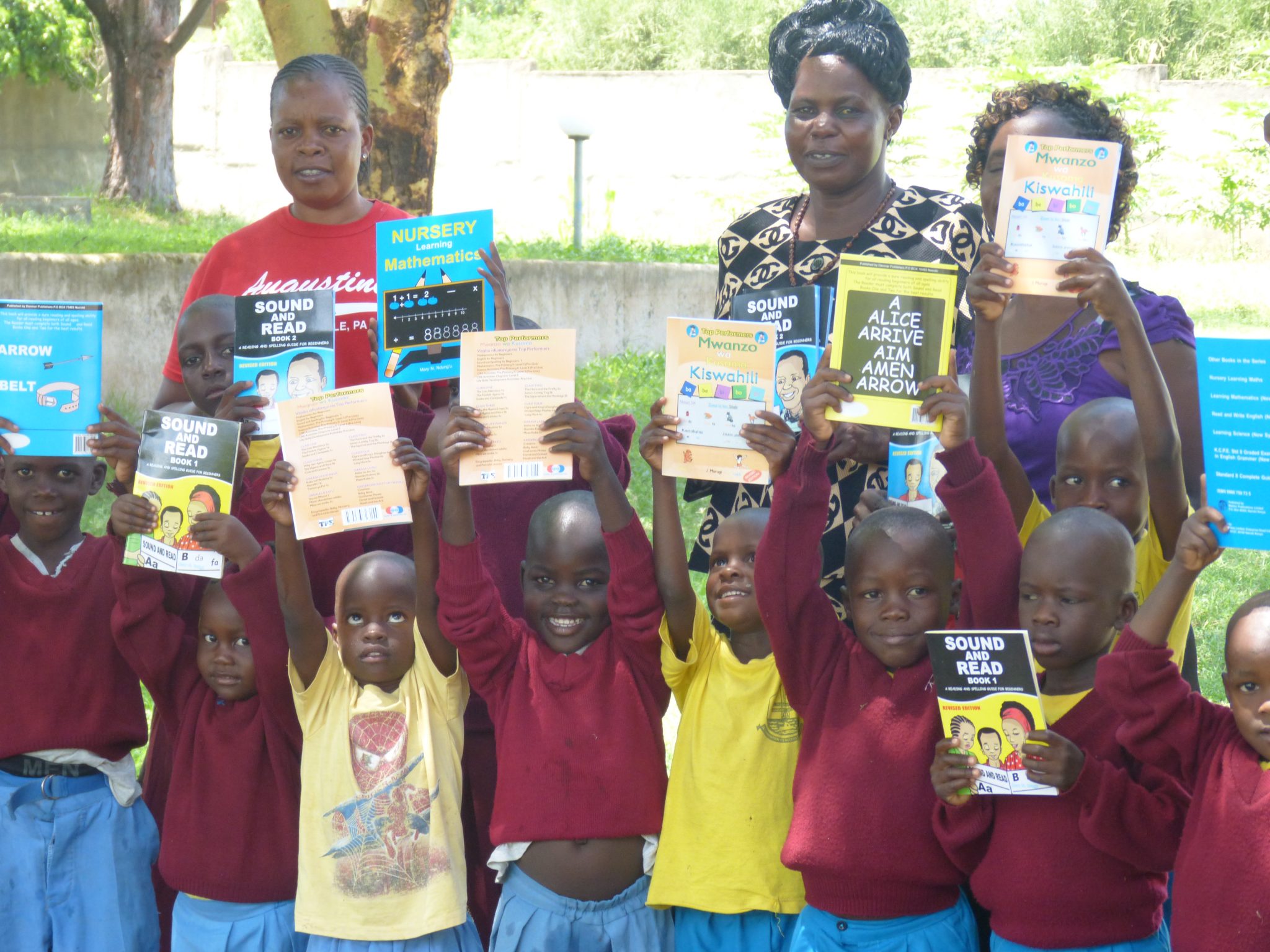
The distance support project beneficiaries are children monitored until the end of the primary school. An economic contribution is needed in order to cope with school and nutrition expenses. These children are often excluded and marginalised from their own community because they are orphans to parents who died from AIDS. The need to provide them with education represents a great incentive for the local community to continously engage in supporting orphans. The project goal is to fight illiteracy and ignorance as a key to fight poverty.

Vijayawada

In the last ten years, India improved a lot in terms of literacy and national institutions consider the school system one of the main factors which contributed to the rapid economic growth. Despite the public efforts and the growing investments, many people are still illiterate or do not have access to quality education, especially among the lower classes. Moreover, one of the unsolved issues in India is the access to female education. Even if Indian economy has been continuously growing in the last two decades, its growth has been irregular and unequal between different social and economic groups, geographic regions, rural and urban areas. The poor conditions of people who live below the national poverty line are linked to their state of health and to the unhealthy places they live in. Children are the most vulnerable ones and most at risk of death and diseases which could be treated with basic medicines.

Among orphan children truancy is very common. Vagrancy is not always a free choice but it is often due to circumstances and it exposes children to child labour. The schools are playing an important role in increasing security among young people and in teaching them to act independently. The main goal of Vijayawada Diocese, located in Andhra Pradesh State, is to accompany children in their growing path, providing children with primary education (Elementary and middle school) and guaranteeing adequate nutritious food in order to prevent school-leaving.

The Diocese faces the educational needs of children from 3 to 14 years with its own schools and boarding hostels. They all belong to poor families from the rural areas. The majority of their parents are bicyclists, busboys, housekeepers and miners, whose salaries are too low to provide their children with education.

Ashotsk Plateau

On 7th December 1988, Armenia was hit by a magnitudo-6,9 quake which caused 25.000 victims, ten thousand evacuees and significant damages to the infrastructure.
For the will of Pope John Paul II, in 1991, the Italian Caritas built the hospital “Redemptoris Mater” to give concrete help to Armenian people affected by the earthquake.
The hospital is managed by Camillian Religious who transformed it into the only institution of the country offering free qualified healthcare for poor people. It is equipped with modern tools and many specialist clinics and performs every year around 17.000 consultations.
The hospital also set up 22 clinics in as many villages of the area. Through home visits it is possible to analyse the extreme poverty conditions in which hundreds of families live. Better local knowledge was an input to start programs to fight poverty such as primary education for children together with a financial aid for families to purchase essential goods.

In Armenia, poverty strongly affects rural areas, whose situation has become even more serious after the recession. The gap between city and countryside is very wide. Social inequalities and exclusion lead to disparities in terms of income, social, economic, political and civil opportunities. The country developed disproportionately: there is a huge gap between Yerevan and rural areas like Ashotsk, where the hospital is located.

Ensuring the right to study to an increasing number of children who live in complex familiar contexts, develops both in them and in the environment around, a greater and better preparation towards a community life. Education is an essential condition to grant a better future for these children, because it significantly contributes to take them away from marginalisation.

Port au Prince

Haiti is not only the poorest country of the American Continent but together with many African Countries it is in the last positions of the Human Development Index. Over half of the population lives below the poverty line. The condition of children is particularly worrying, especially for disabled children and adolescents. It is not easy to be a child in Haiti: in the last ten years, natural catastrophes, epidemics and poverty deprived countless children of family care.

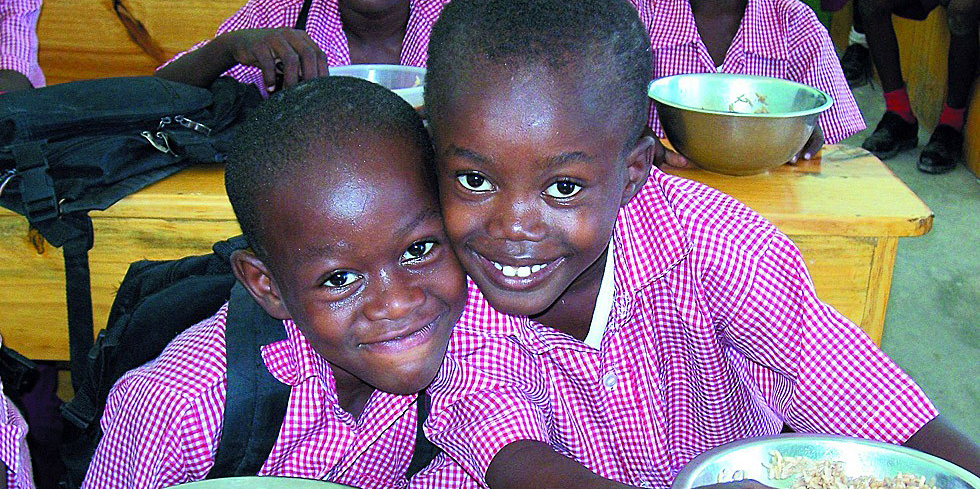
The distance support project includes nutritional and primary education programs coordinated by the École La Providence and the Foyer St. Camille of Port au Prince: where there is a primary school and a nutritional centre for pre-school activities.

The aim is to provide these children with education so that they can learn to manage their own lives when they grow up, in a country that frequently undergoes natural disasters such as hurricanes and related floods and earthquakes.

Most of them live in slums and often suffers from psychological issues due to the environmental and family context they live in.

Providing the project beneficiaries with safe and clean spaces, psychological support, school education and appropriate nutrition will guarantee an improvement of their lives with positive fallouts on their community.

Social Luigi Tezza Medical Centre

Most people in Togo live on agriculture, fishing and breeding. Due to soil deficiency and the lack of water in some regions of the country, farmers who work the fields from April to September get enough crops and food for three or four months. Furthermore, the health issue is among the biggest obstacles to the country’s development. Malaria, AIDS and other tropical diseases cause the death of many children and young people who can afford any treatments. In fact, there are no hospitals nor drugs available in some towns and villages. In addition to diseases, food shortage has also brought about the serious problem of malnutrition: a child who is malnourished has not been provided with a fair amount of micronutrients during the 1.000 day period between conception and their second year of life and they are therefore likely to develop motor and intellectual disability. This could be a serious damage for them and the community where they live.

The “Filles de Saint Camille” missionaries have been actively operating in Benin for many years and organising socio-sanitary supporting programs for poor people. They have decided to join a similar project in a very poor area of Togo in order to provide health assistance to ill people and to develop programs against adult and child malnutrition. The social medical centre built in Zanguerà offers medical consultations for adults and children, laboratory testing, first aid, interventions against malnutrition and services for pregnant women.

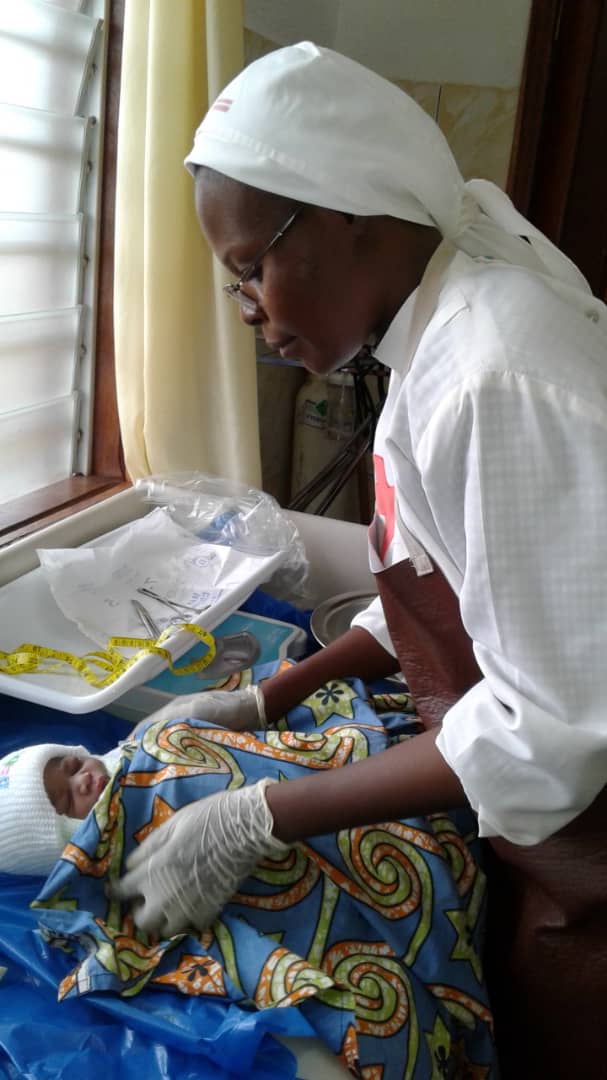
PRO.SA Foundation has supported the set-up of the maternity ward by donating warmers, birthing beds, fetal monitors, pediatric balances, cribs and other equipment. The new maternity ward enables women to have a controlled pregnancy and to give birth in a safe place where complications can be handled better. In Togo, only 45% women are assisted by medical staff when delivering and a centre like the one in Zanguerà guarantees trained medical staff and a place where giving birth is valued as a great achievement both for women and the entire community.

Camillian Home

DISABILITY IN THAILAND

In Thailand, the rights of disabled people have been recognized and discussed in the last 25 years, but their real needs are still unsolved and indefinite. The Ministry of Public Health, Education and Labor are responsible for disability services, however, the lack of cooperation and coordination among the offices, made it impossible to satisfy the needs of disabled people; and as a result, there is a limited or even absent improvement in their life standards. Another big obstacle in the Thai society is the belief that a disabled person is a dishonor for the family, a “curse” that won’t bring prosperity but that indicates a negative “fate”, a negative “Kharma”. The government institutes are crowded with children and adults who do not receive adequate care due to the lack of investments and qualified personnel. Disabled people are therefore hidden or marginalized, under the belief that they will never be capable of self-care or helpful to others.

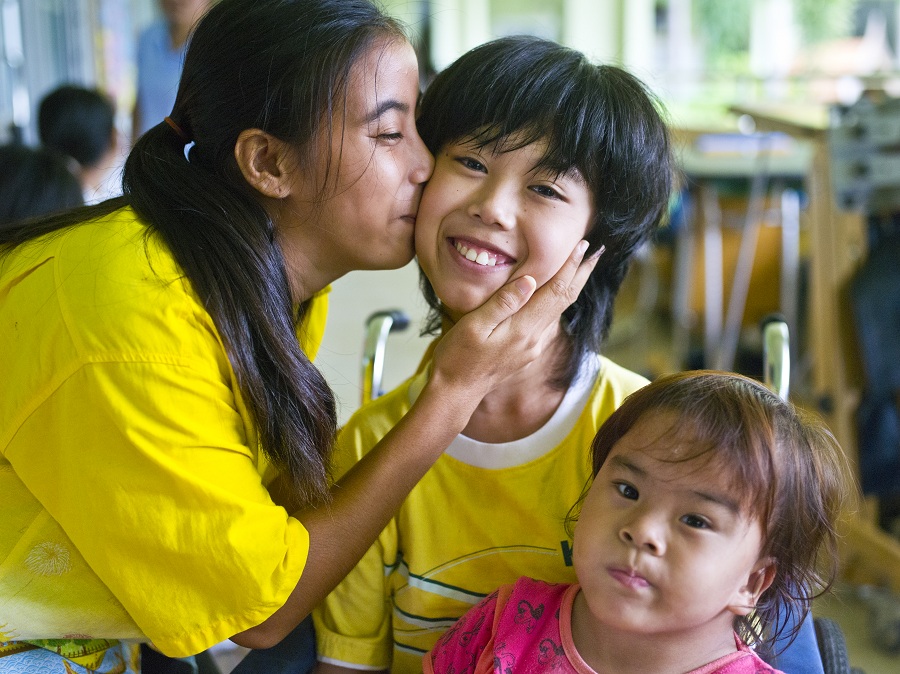
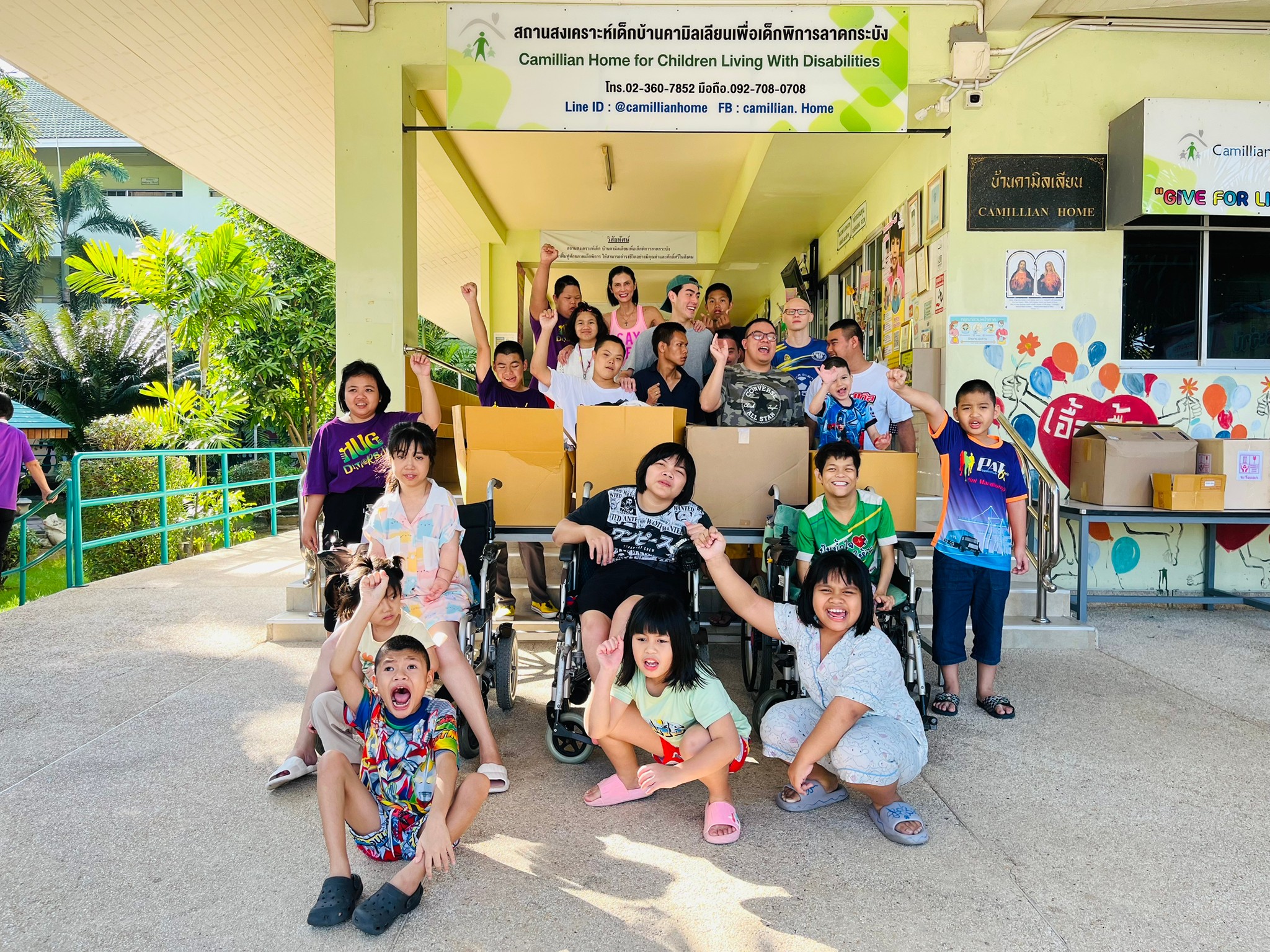
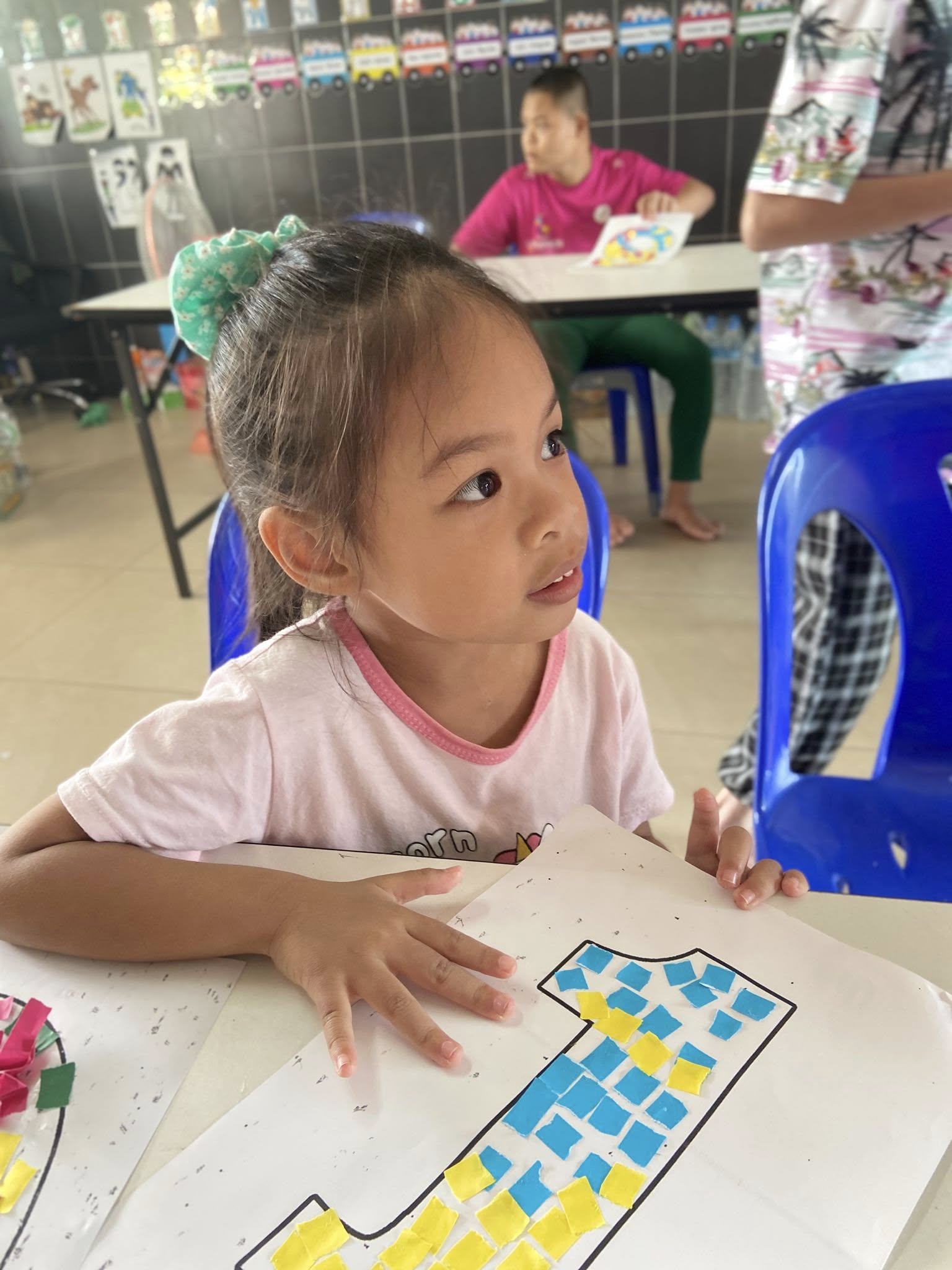
The Camillian Home project was established based on the recognition that a well-structured integration program can help children and adults with disabilities improve their quality of life, as well as their physical, cognitive, emotional, and social abilities. The center is located in the outskirts of Bangkok and is one of the few in Thailand specifically dedicated to welcoming orphaned children with disabilities and providing day care programs for children who live in extremely poor conditions without any form of assistance. Every day, a shuttle service is available to take children from rural areas to the center.

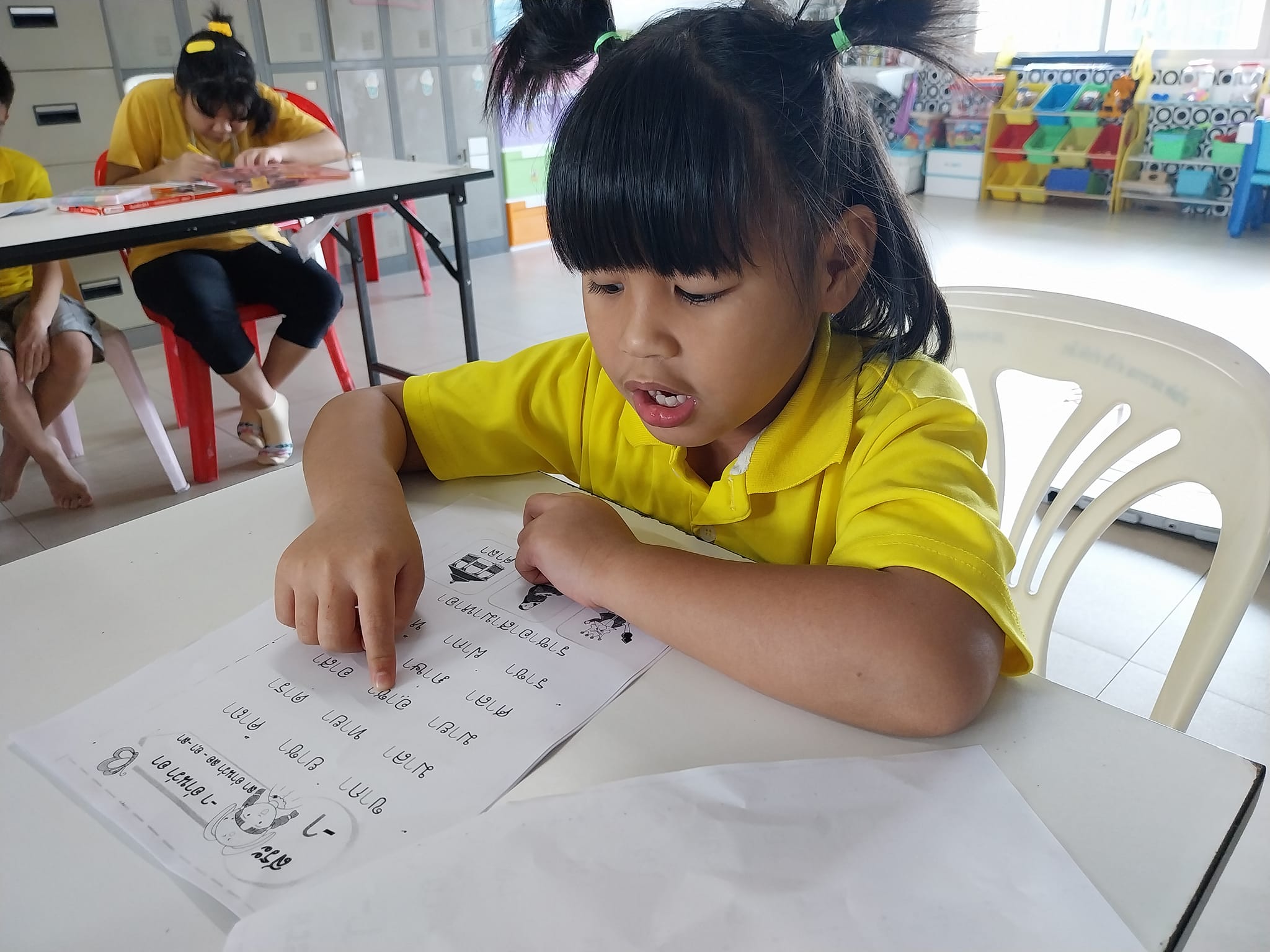
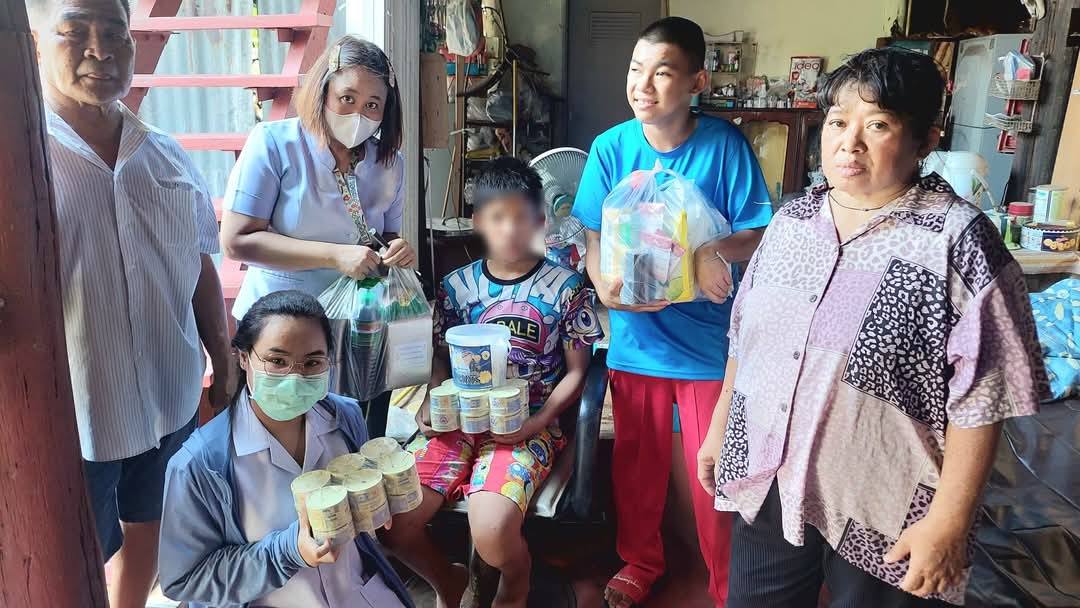
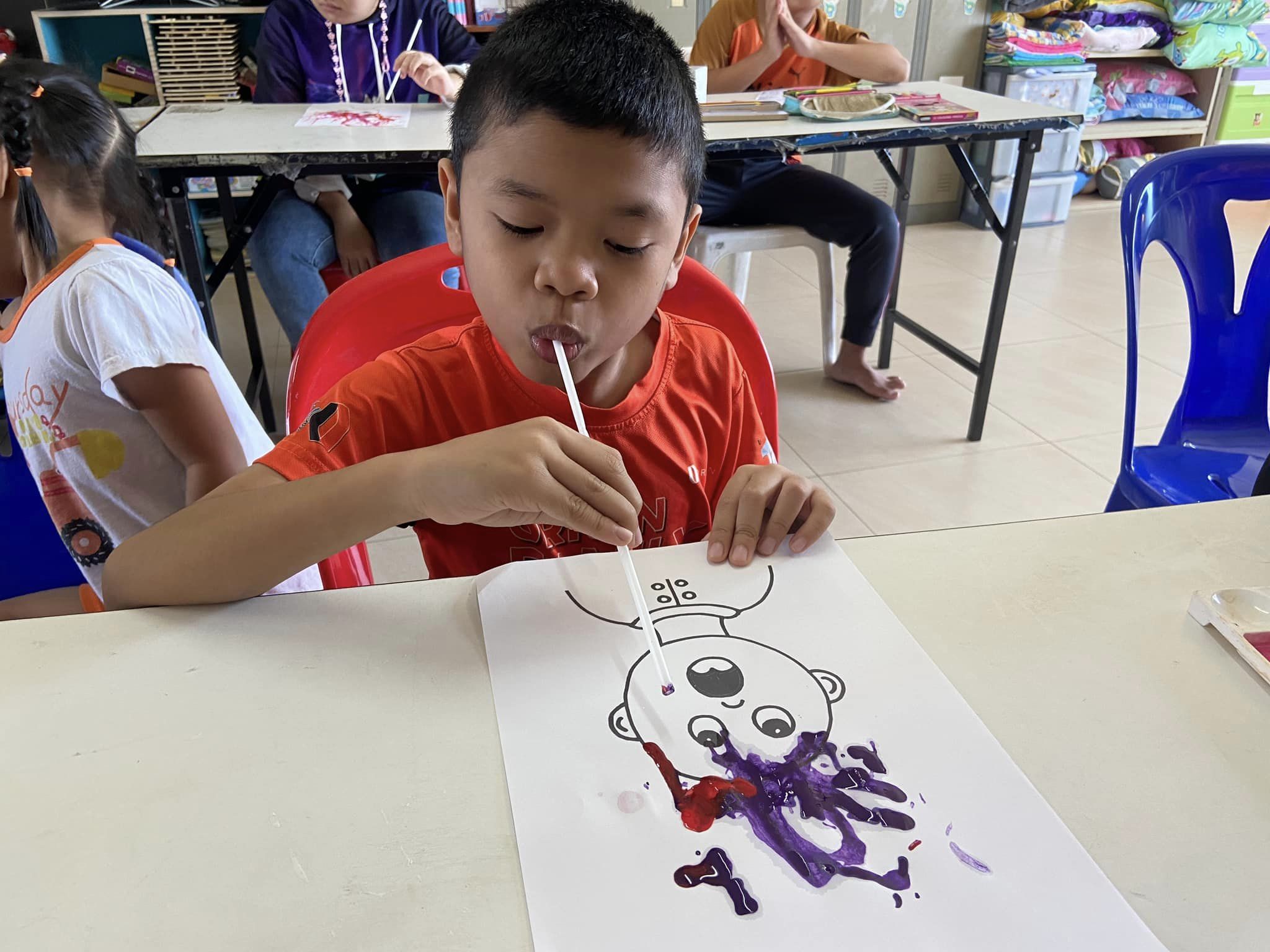
Camillian Home currently supports 153 children with disabilities, including 28 residential children, 34 enrolled in the day care service, 40 receiving home-based assistance, and 51 monitored on a weekly or monthly basis. According to their individual needs, children have access to physiotherapy, speech therapy, and school support sessions. They also participate in recreational and manual activities (such as art therapy) that promote their physical and psychological development. Their health is continuously monitored by qualified nurses, who also educate them on proper personal hygiene practices. Main meals are provided by the center to all beneficiaries.

NEW PROJECTS

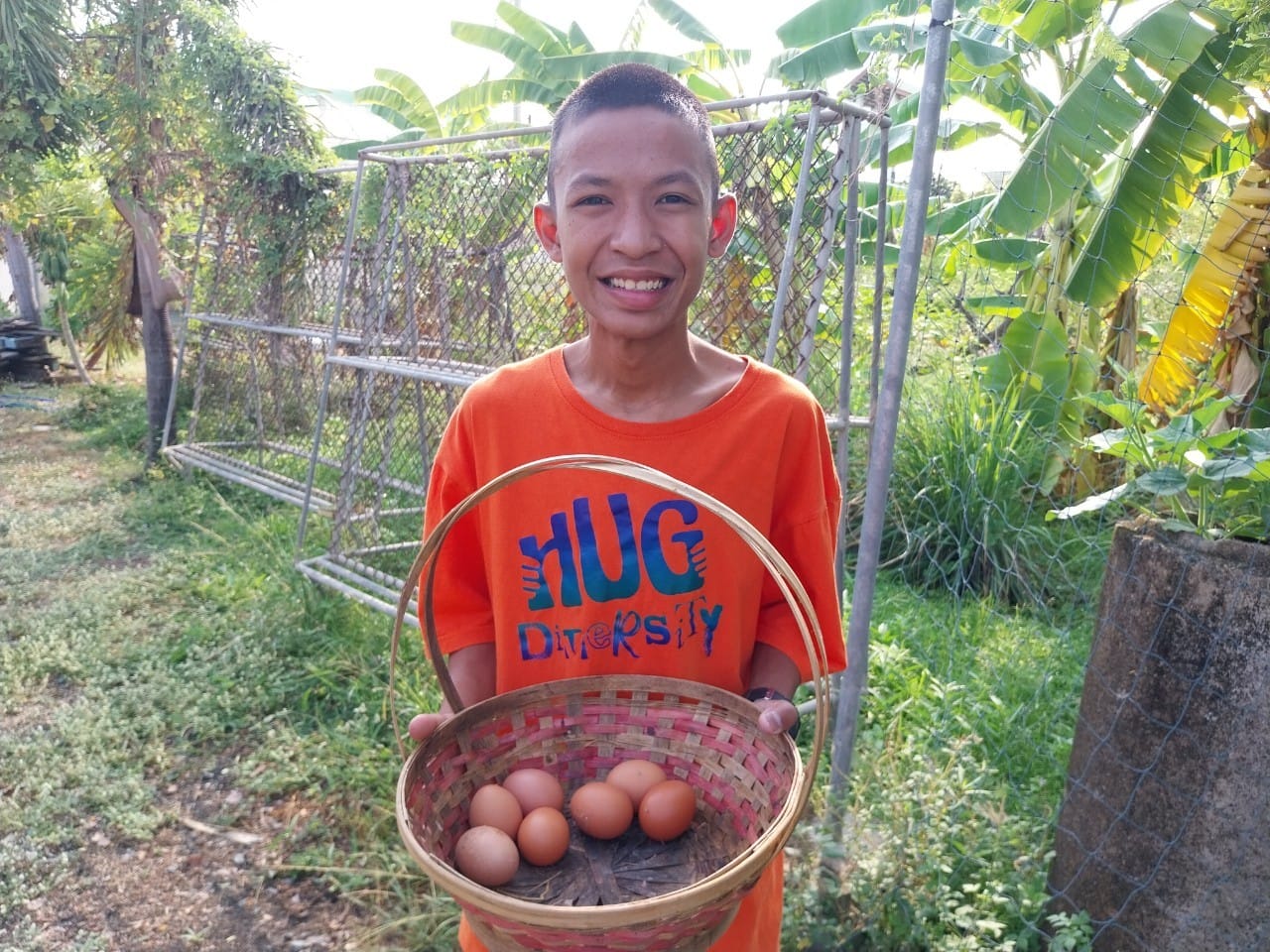
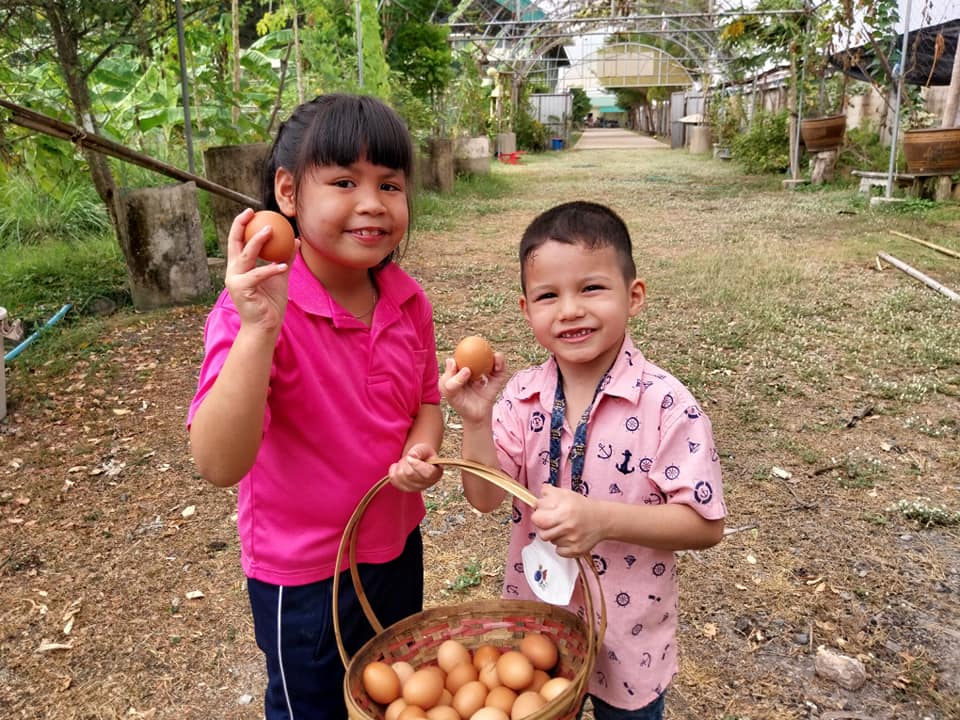
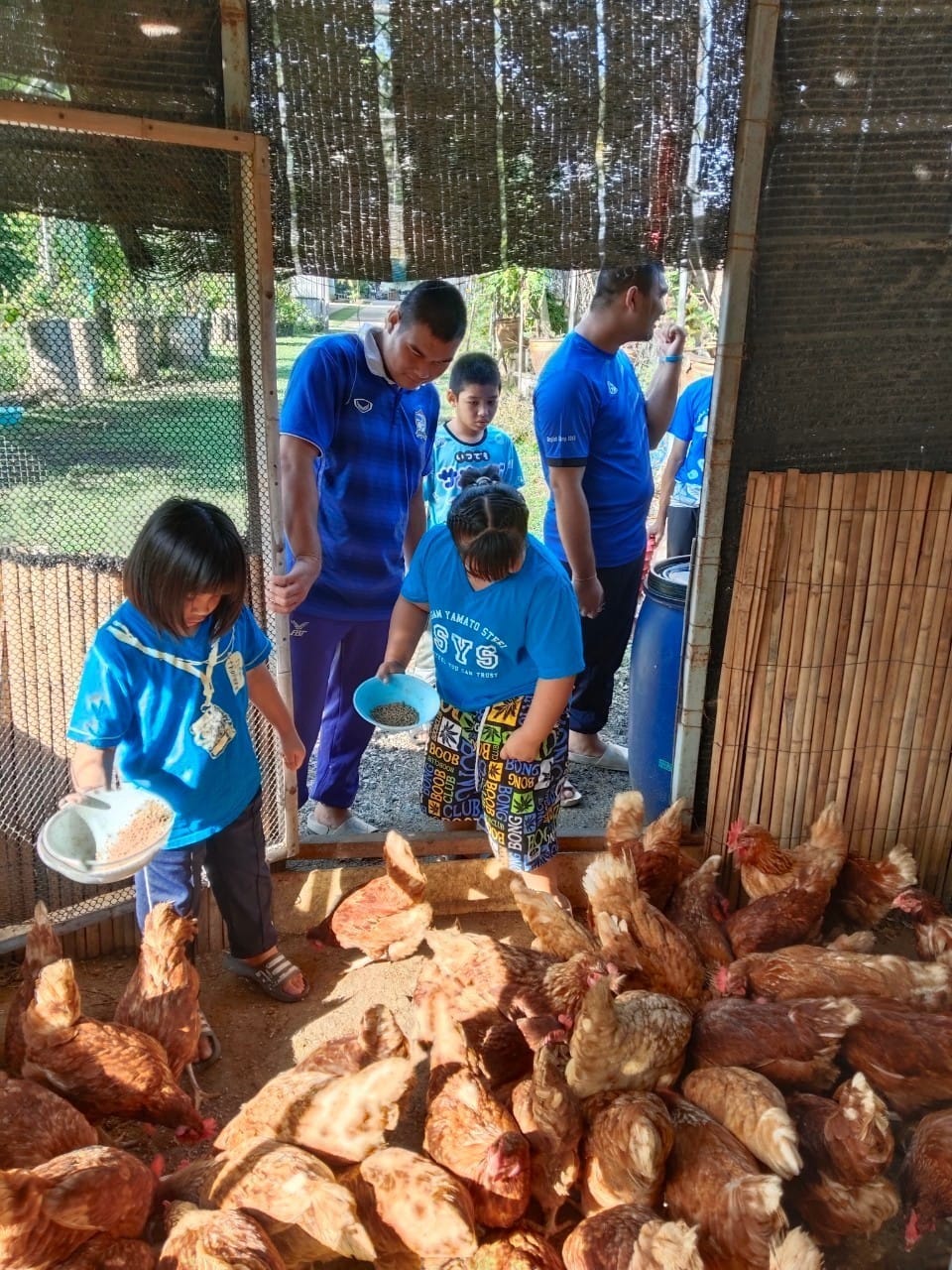
HAPPY FARM is an inclusive farm located 25 km from the Camillian Home, where a group of 8 children with disabilities visits about three times a month to take care of poultry and monitor crop cultivation. Although the farm’s production is still limited, it partially meets the center’s nutritional needs by providing healthy, 100% organic food. By the end of 2025, the project is expected to expand with the construction of small houses to accommodate two educators and a group of 6–8 center residents. Through agricultural education activities, they will be able to acquire new skills and build self-confidence, while developing a sense of responsibility and belonging that encourages active participation in social life. Meanwhile, a training center will promote a healthy lifestyle by providing users and their parents with the tools needed to achieve self-sufficiency in agricultural production and proper nutrition.

SOWING TO GROW
A smaller, yet equally important project in terms of education and rehabilitation, is taking shape on a previously unused plot of land within the Camillian Home compound. The main goal is to create new school gardens equipped with a greenhouse and an irrigation system that allow crops to grow year-round.  Through an informal learning approach, children and young people with disabilities involved in the project will acquire agricultural knowledge and skills. By either consuming the produce directly or selling it, they will also learn how to manage and distribute the proceeds, which will be used to support the center’s activities. This will establish a virtuous cycle that benefits everyone involved. The garden will focus on growing sweet basil, lemongrass, coriander, Thai parsley, chili, ginger, celery, tomatoes, peas, eggplants, and Chinese cabbage.

Centre Urugwiro

Disability is a real taboo in some African areas and has a heritage of prejudices and superstitions: the majority of the population still believe that a disabled child is a curse. For this reason, children are discriminated and locked in their houses or abandoned by their fathers who consider them useless and even for the rest of the household.

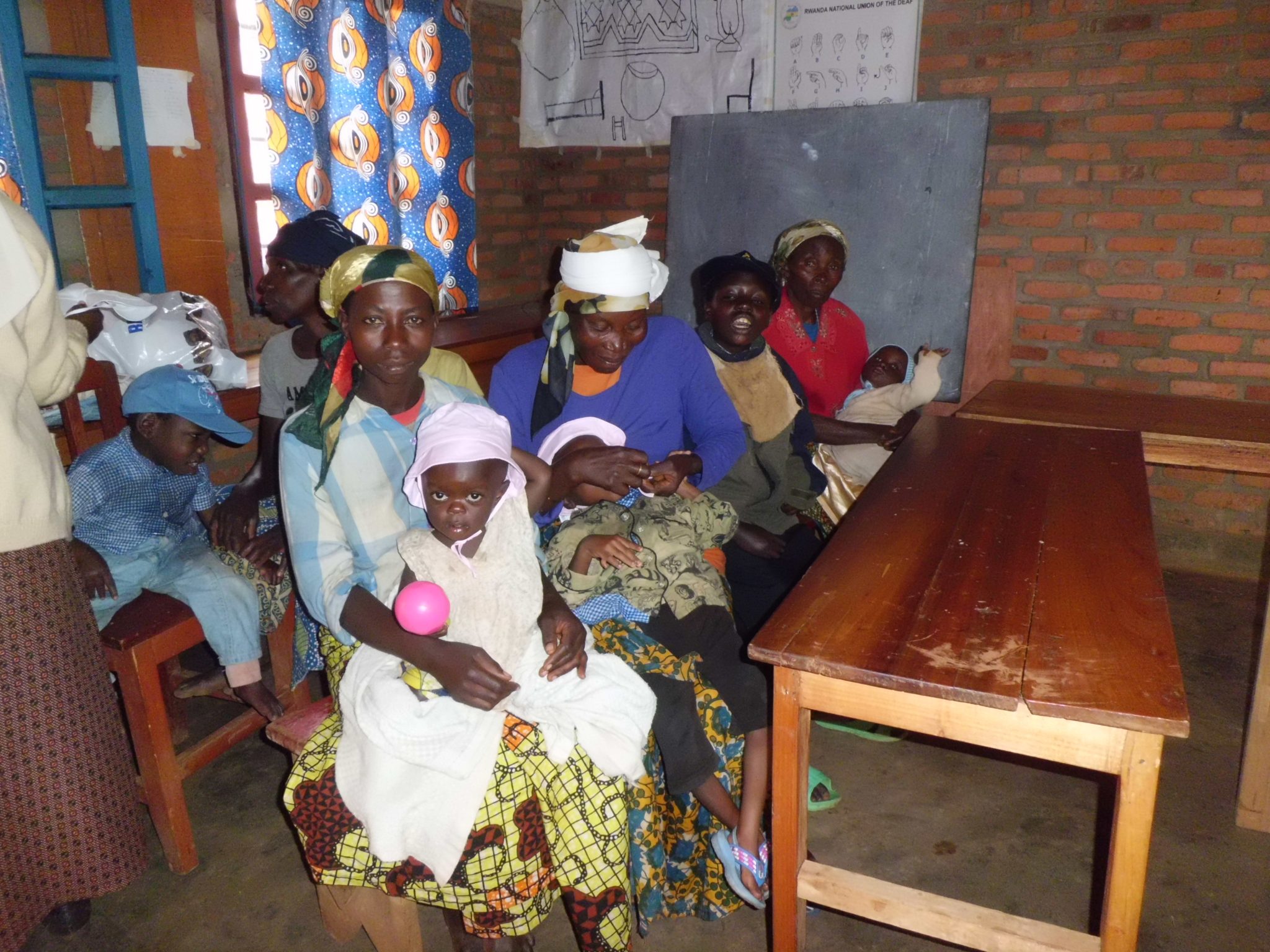
Centre Urugwiro, built in 2004 and since 2007 coordinated by an Italian lay missionary, is a day care centre, open from Monday to Friday, that hosts children, adolescents and adults with different disabilities, ensuring adequate healthcare in order to encourage their integration in the Rwandese society. The centre promotes welcoming and animation activities, games and sports, music therapy, physiotherapy and literacy, but also manual works such as gardening, woodworking, welding, tailoring, agriculture and farming. Moreover, it provides home visits for those who cannot reach the centre.

The physiotherapy service was started in 2014 to help vulnerable families with disabled children to access basic healthcare service, in order to improve the health conditions of the children and to living conditions of the whole family. The percentage of disabled people in this area is very high.  In 2019, ten children with physical anomalies or feet or deformities were welcomed in the centre, therefore it was necessary to buy orthotic and other expensive corrective devices. Lo spazio in cui si svolgeva la fisioterapia, inoltre, era diventato insufficiente per le esigenze dei pazienti, che non riuscivano a svolgere comodamente i vari esercizi di riabilitazione con i deambulatori. PRO.SA Foundation funded the expansion of the physiotherapy room equipped with a waiting room, which is very comfortable for the families waiting for their turn, who are offered breakfast every morning. At the same time children are provided with special toys to do rehabilitation exercises by playing. PRO.SA also supports the project “Step by step” which includes the purchase of orthotic devices to ensure a corrective therapy to the children of the centre who cannot walk without them.

Currently, Centre Urugwiro grants 58 disabled children of the area, the opportunity to be properly cured, to grow up healthy and to redeem themselves from cultural discriminations. Children-and-family care increases the general wellness of the entire household.

Health drops

The small villages located in the rural area of Faisalabad District face, every day, the lack of renewed sources of drinking water, fundamental to lead a healthy life. For this reason, they live in poor hygienic conditions which contribute to the spread of various diseases, especially among children. In Pakistan, around 5.000 children suffer from serious intestinal diseases and the infant mortality rate is still very high. Moreover, high unemployment and high illiteracy rate hinder access to proper treatments and drug therapies.

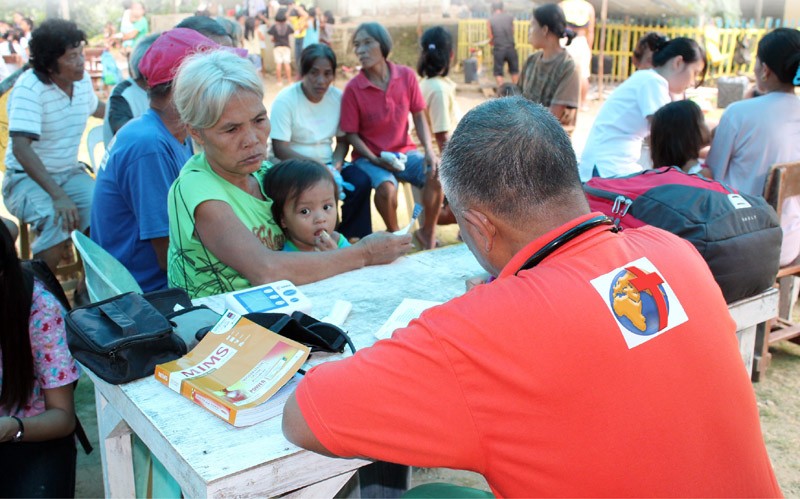
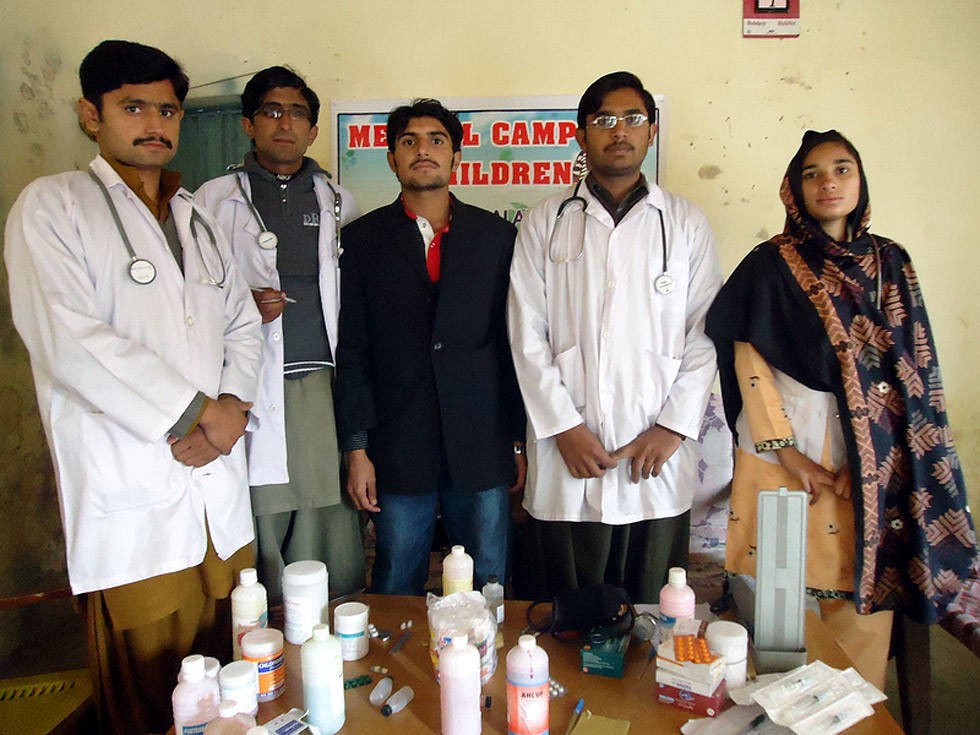
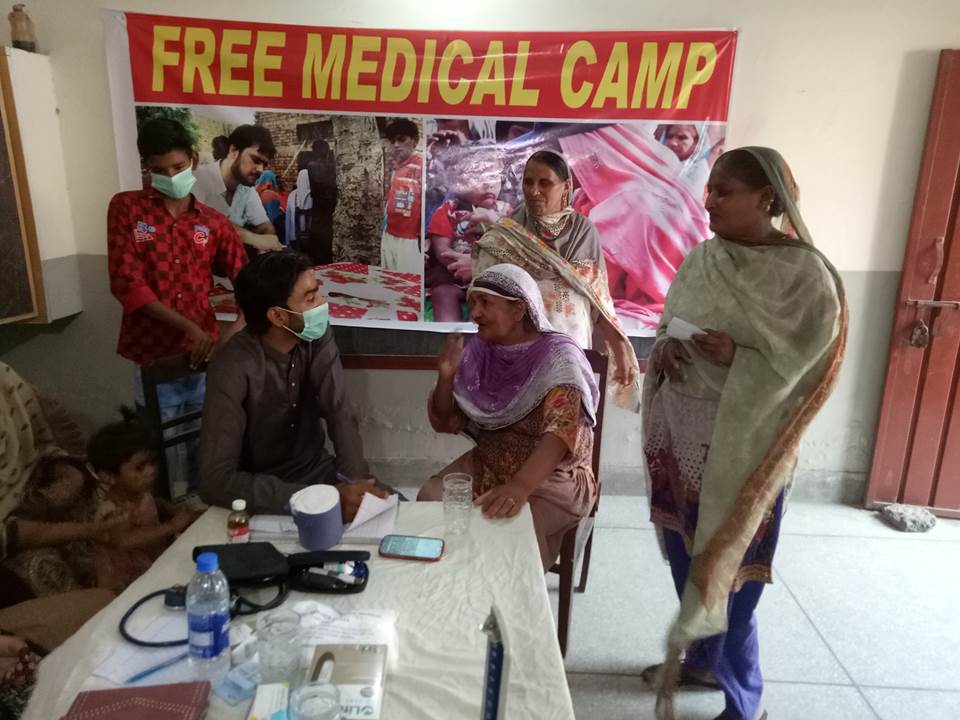
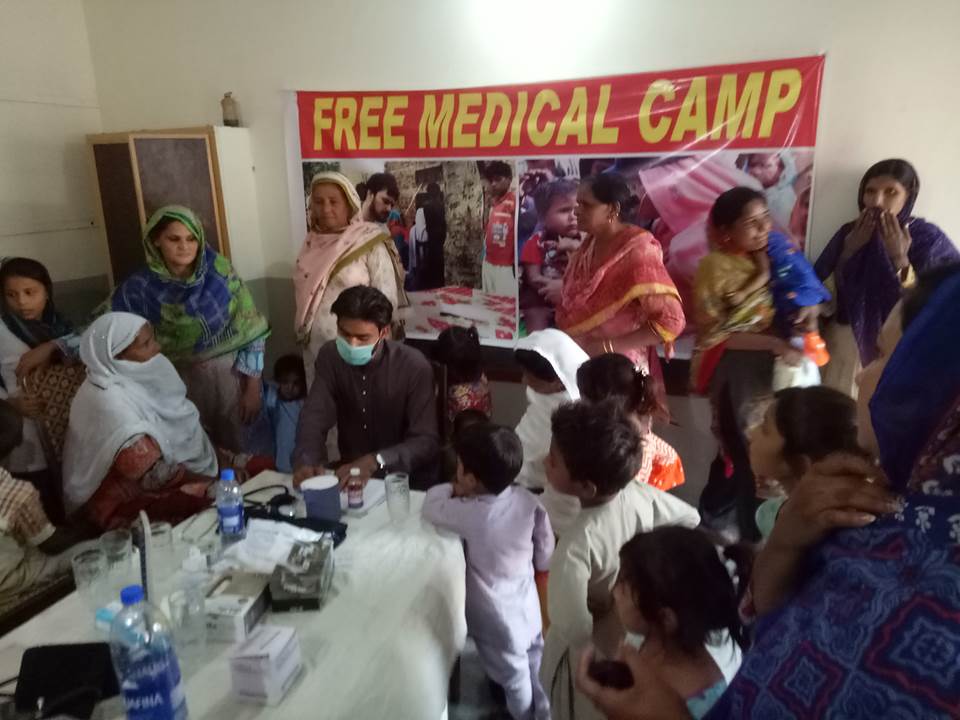
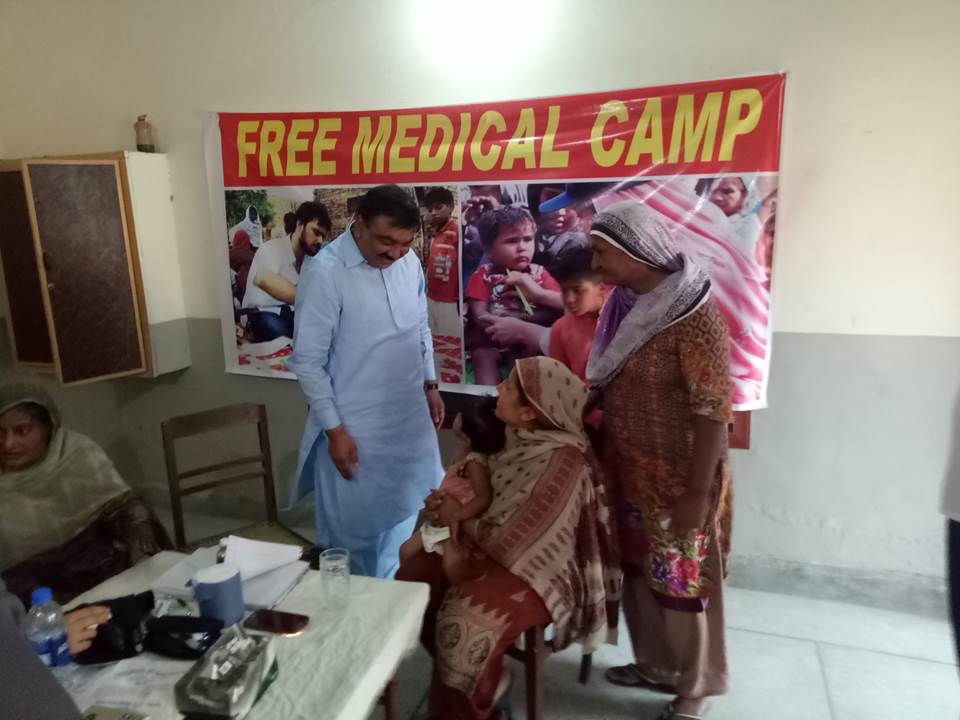
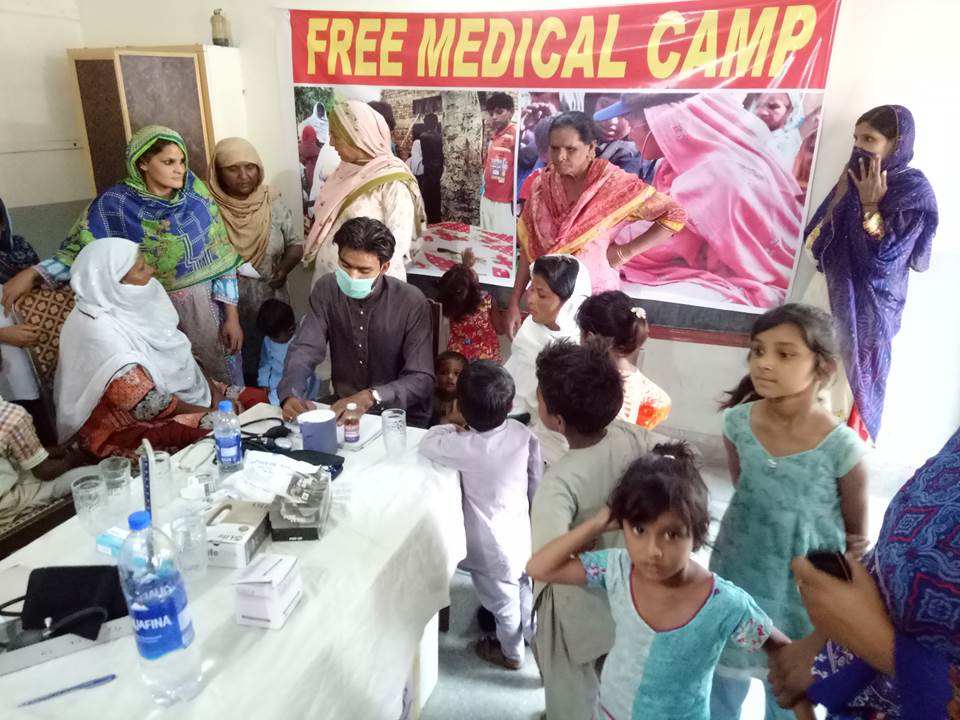
To face this terrible situation, the Parish of the Assumption Catholic Church, within St.Joseph school, organises, on Saturdays, medical camps for those who come from the villages and need medical care. The school is the easiest place to be reached by the children and their families and Saturday is the best day to move.

The team working at the camp is composed by a doctor, two med students on voluntary service and the Sisters of the Charity Sisters Congregation. The medical staff see and listen to every patient, so that they can be given a proper treatment to be followed according to the medical prescription.

The majority of those who come to the medical camps, present health problems which need basic treatments. Without this service people from this area could not afford medicines nor medical checkups in hospitals or health centres.

Medical camps are mainly addressed to children. An average of 100 children and 50 adults are cured during each camp. Vengono trattate alcune delle malattie più diffuse in Pakistan: colera, febbre tifoide, intossicazione alimentare, diarrea, difterite, pertosse, tetano, poliomielite acuta, parotite, rabbia, morbillo, varicella, vaiolo, epatite virale, raffreddore e tosse.

The medical camp is also an occasion for people to learn basic sanitary regulations that alone can improve their state of health.

A journey for life

In Mozambique, as in other African countries, the level of cardiovascular diseases is strongly increasing. Rheumatic disease is one of the numerous and serious problems concerning public health. Its most common consequences are rheumatic carditis and tropical endomyocardial fibrosis. In tropical and subtropical endemic areas, rheumatic disease almost exclusively affects children and young adults. The heart damage is its worst consequence and it consists of a deforming alteration of the cardiac valves which can lead to their progressive disfunction, up to pulmonary hypertension and/or cardiac insufficiency. One of the main degenerative causes is malnutrition. Children affected by endomyocardial fibrosis, who risk their life, urgently need a surgical operation to live.

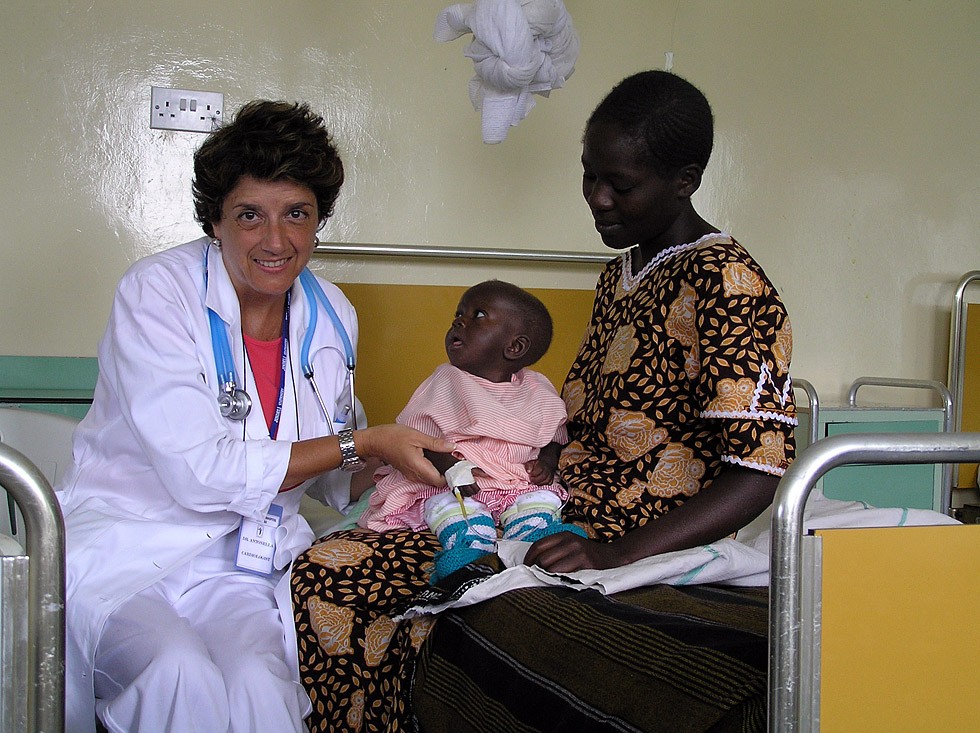
In Marrere, the Combonian Missionaries who manage the local hospital, are aware of the numerous cases of children affected by fibrosis thanks to Dr. Zobbi’s diagnosis, an Italian cardiologist who periodically flies to Mozambique as a volunteer. Unfortunately, the hospital of Marrere is not equipped with a cardiac surgery ward, therefore it is necessary to bring the children to the ICOR: Insituto do Coração de Santa Maria, the cardiological centre of Maputo.

Marrere is about two thousand kms from Maputo which is reachable only by plane. ICOR ensures free surgery and hospitalisation for poor children.

The project A journey for life offers a plane ticket to a child and a relative who accompanies him. Two round-trip tickets to Maputo cost around 600 Euros.

When the children are back to Marrere, they are followed by the Missionaries at the hospital cardiologic unit until they completely heal, and later, they take part into health and nutritional supporting programs.

Tabaka Mission Hospital

Tabaka Mission Hospital takes its name from the village where it was built. It is located on hill, 5 km far from the asphalted road which links Kisii City with Tanzania.

It is a non-profit health organisation with 250 beds and many outpatient services. Every year, there are on average 9.000 inpatients, 1.300 of which in the pediatric ward. The hospital works in a rural area where the majority of people live below the national poverty line. People who cannot afford medical costs. The prices of the offered services are always reasonable to allow poor people to access them. For sick people who are not able to pay, the hospital set up the “Good Samaritan Fund” that covers the payments for hospitalization, surgical operations and treatments.  
The socio-economic situation is even more difficult because of the spreading of malaria, TBC and HIV-AIDS.  Malaria is still the first cause of death in Sub-Saharan Africa. The water supply of the region is not developed but water can be easily taken from rivers, wells and springs because of heavy rain.  Although the infant mortality rate is decreasing thanks to the campaigns promoted by Kenya Expanded Program on Immunization (KEPI), many children are still suffering from anemia, pneumonia, brain fever, measles and gastroenteritis which can lead to death if not properly treated.

In order to grant free healthcare to the children from 0 to 5 years old, the hospital started a project which provides paediatric health insurance: a solution which combats infant mortality.

More than 20 years ago, within the hospital, it was activated the St. Camillus Training School for Kenya Registered Community Health Nurses. A three-years-and-a-half diploma course in Nursing Sciences, with boarding. Every year an average of 15 girls are enrolled. The course consists of theory and practical lessons which take place in the hospital. The high-level of preparation of the students gave prestige to the school and many young women from different areas of the region, want to register. To make the course accessible for girls who come from poor families, the costs of the course are deliberately low. Five students are offered five scholarships every year.

St. Camillus Mission Hospital

In a healthcare system like the African one, that does not grant the right to health for everybody, St. Camillus Mission Hospital becomes paradigm of service for the poorest and the most vulnerable people of this region. When possible, patients are asked to give a contribution, even if it is not enough to cover the ordinary management of the facility. The hospital was opened in 1997. Now it has 150 beds and its activity is not limited to healthcare but also includes health and prevention education, with a particular focus on AIDS. It promotes meetings and workshops, and encouraging people affected or infected by AIDS to create solidarity groups. The hospital is located on the shores of the Lake Victoria, Nyanza region. This area is one of the poorest in the country and also one of the most affected by HIV/AIDS: around one third of the population is seropositive, especially women. Camillian missionaries have been working in Karungu for more than twenty years, they founded the St. Camillus Mission Hospital and they still manage it. Their main goal is to offer better healthcare to people in need, without distinction of faith or social condition. According to the statistics, the hospital serves around 250.000 inhabitants, more than 50% of which under 15 years old.  However, the local population needs more and more treatments and hospital admissions because of the high rate of opportunistic infections – due to immunodeficiency – and common diseases like malaria. In fact, it is more difficult to treat a seropositive patient since everything can quickly degenerate into something more serious. The combination of AIDS and Tuberculosis is very common, usually in severe form.

All the sick people have the right to be treated, get proper healthcare and be respected. This approach is even more needed when it deals with AIDS innocent victims. Mothers and children but also men are often victims of imposed situations or traditions. The hospital tries to offer a cure, to provide in-patients with healthcare, food and everything they need, in a context of attention and respect, in order to grant healthcare to those who need it, focusing on the most vulnerable population groups.

Hospice San Camillo

Around 30% of the urban area of Quito, the capital of Ecuador, is made of marginal neighborhoods originated from the settlement of internal migrants coming from the country’s rural areas. These neighborhoods do not provide all basic services. Family mothers usually do housework and look after their children, while fathers work as builders in the housing sector. Men are widely considered to be superior to women and this often causes domestic violence and abuse. Such phenomena come from the lack of education, usually related to the absence of capacity for initiative and accountability.

As far as terminal diseases and palliative care are concerned, there is no national legislation that defends the right to a dignified death. Children and teenagers are not appropriately assisted in terms of oncological treatments nor of palliative care. Supporting these age groups during the illness is a priority to the San Camillo Hospital, which engages in offering children and their families a welcoming environment and human and professional effectiveness that could meet the needs of anyone in a terminal condition.

The “Fundación Ecuatoriana de Cuidados Paliativos FECUPAL” is a Non-Profit Organisation pioneer in the care of terminal patients and their families. FECUPAL was established by Camillias and since 2014 has been running the Hospice San Camillo, a residential unit for palliative care to terminally ill patients. Those who live here together share the same issues and can support each other through mutual help in order to face the disease and the palliative care in the best way. PRO.SA Foundation supports the activities of the paediatric unit that targets children and young people. Palliative care is provided at the specialised centre or door-to-door, focusing on specific child and teen needs and trying to involve families in the process.

Redemptoris Mater hospital

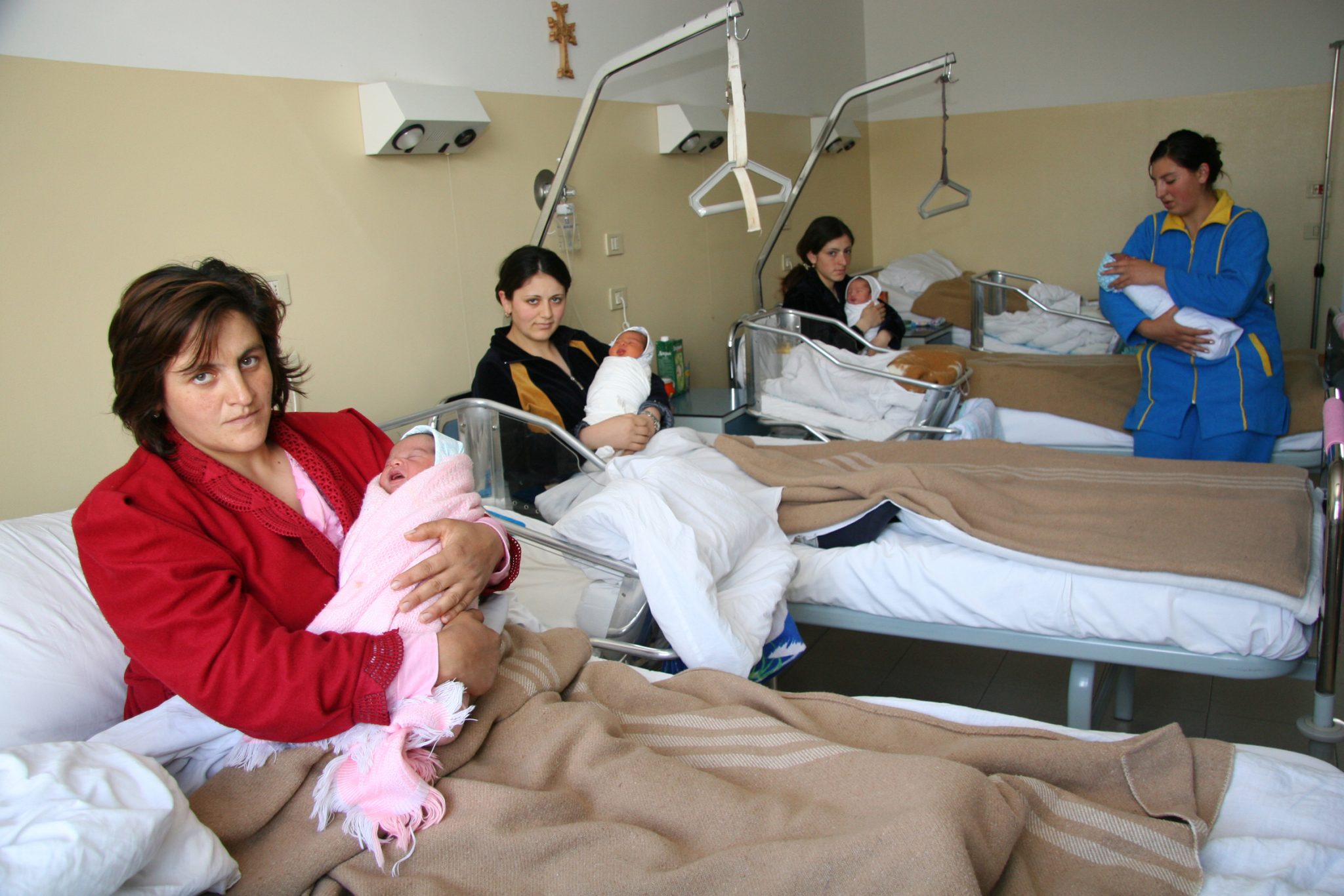
The Redemptoris Mater Hospital is located on the Ashotsk plateau at 2.000 metres above sea level. It was built in 1991 by the Italian Caritas and donated to the Armenian population by Pope John Paul II. The Hospital has been run since by Camillians. It offers 100 beds and it is at the core of a health care system that covers 22 villages with associated clinics.  The sanitary district is about 15.000 inhabitants. Patients come from the nearby Georgia and Armenia. There are 4 departments in the Hospital: the medicine, surgery, maternity and pediatrics units. A pediatrician has been hired to provide health care in the villages only. In its first years, several Italian doctors have been visiting the Hospital to hold refresher courses for the medical staff working there.

According to the paid national health care system in Armenia, 61% of medical expenses on average should be borne by patients and those who cannot pay are not provided with care. Two thirds of the population do not have hospitalisation coverage and there are no benefits relating to the purchase of drugs, except those against tuberculosis, malaria or HIV/AIDS. This often makes essential health care inaccessible for a large section of the population, blocking treatments and increasing health issues otherwise manageable.

As long as direct payments are so expensive, sanitary assistance will remain inaccessible for some parts of the population, causing inequalities and increasing social injustice further.

At the Redemptoris Mater Hospital health care is guaranteed to all those need it. Only those who can afford it are requested a contribution to the cost through the payment of a ticket. External clinical activities and first aid services are totally free. Knowing the real situation of poverty and implementing health and nutritional programs is made possible by these clinical services.

PRO.SA Foundation collects and purchases drugs, past, rice, oil and other essential goods in Italy and send them to Armenia via container.